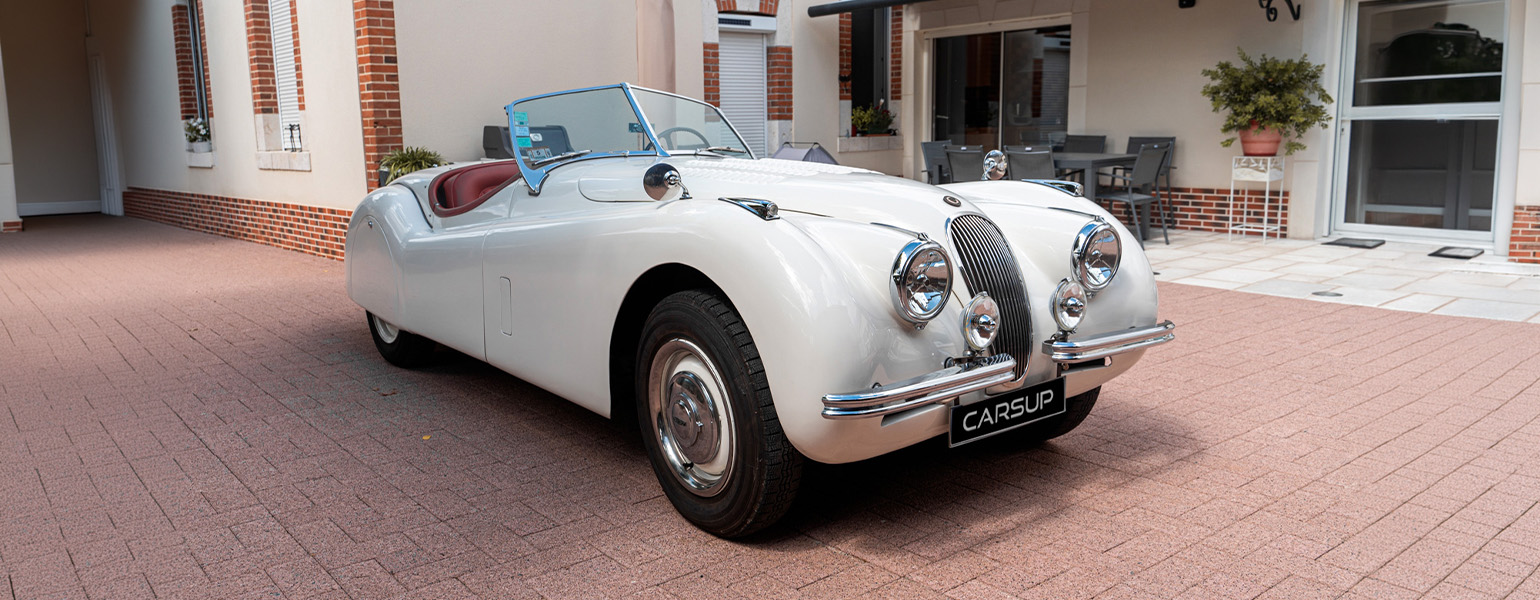
Jaguar XK 120 - 1953
Mileage: {car-mileage} km
Energy: {car-fuel}
City: {car-city}, {car-country}
Our Jaguar XK120 Cabriolet, first registered during the year 1953, currently shows 400 km on the odometer. It is registered in France.
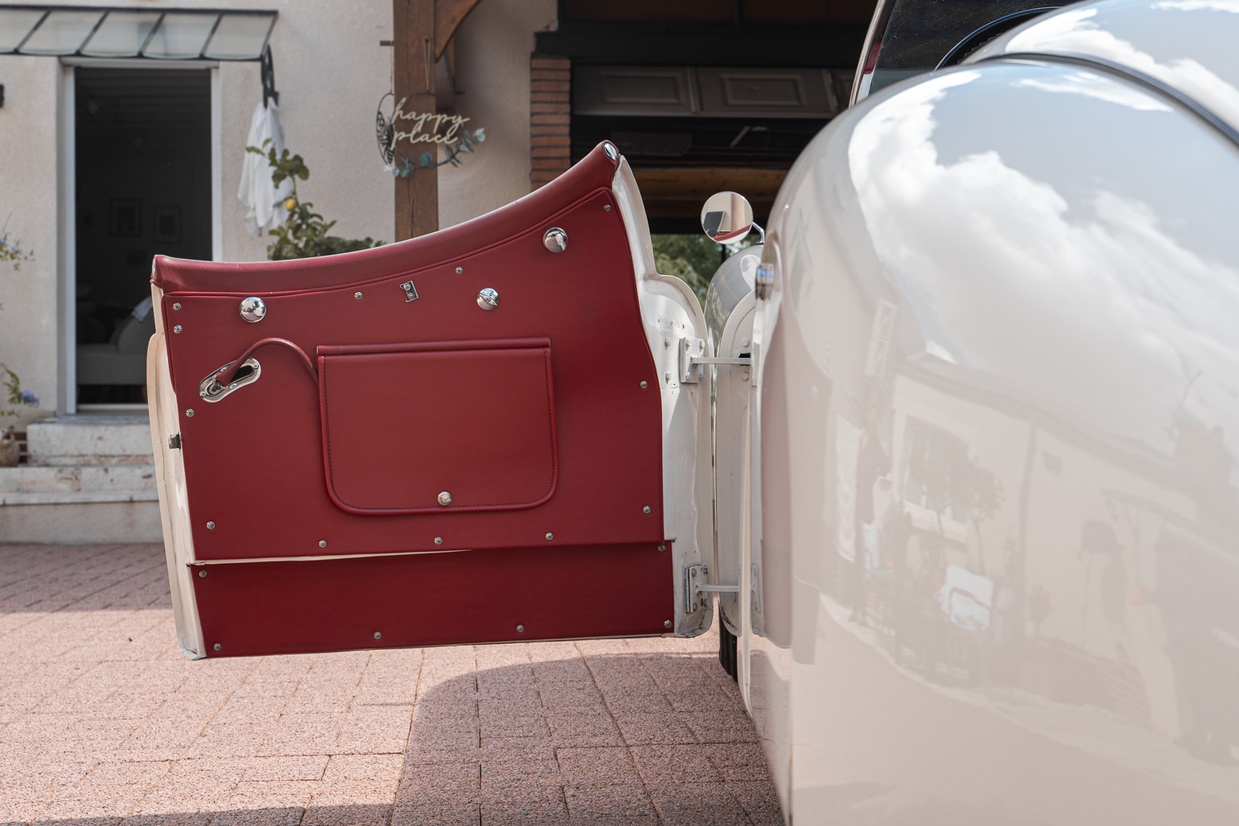
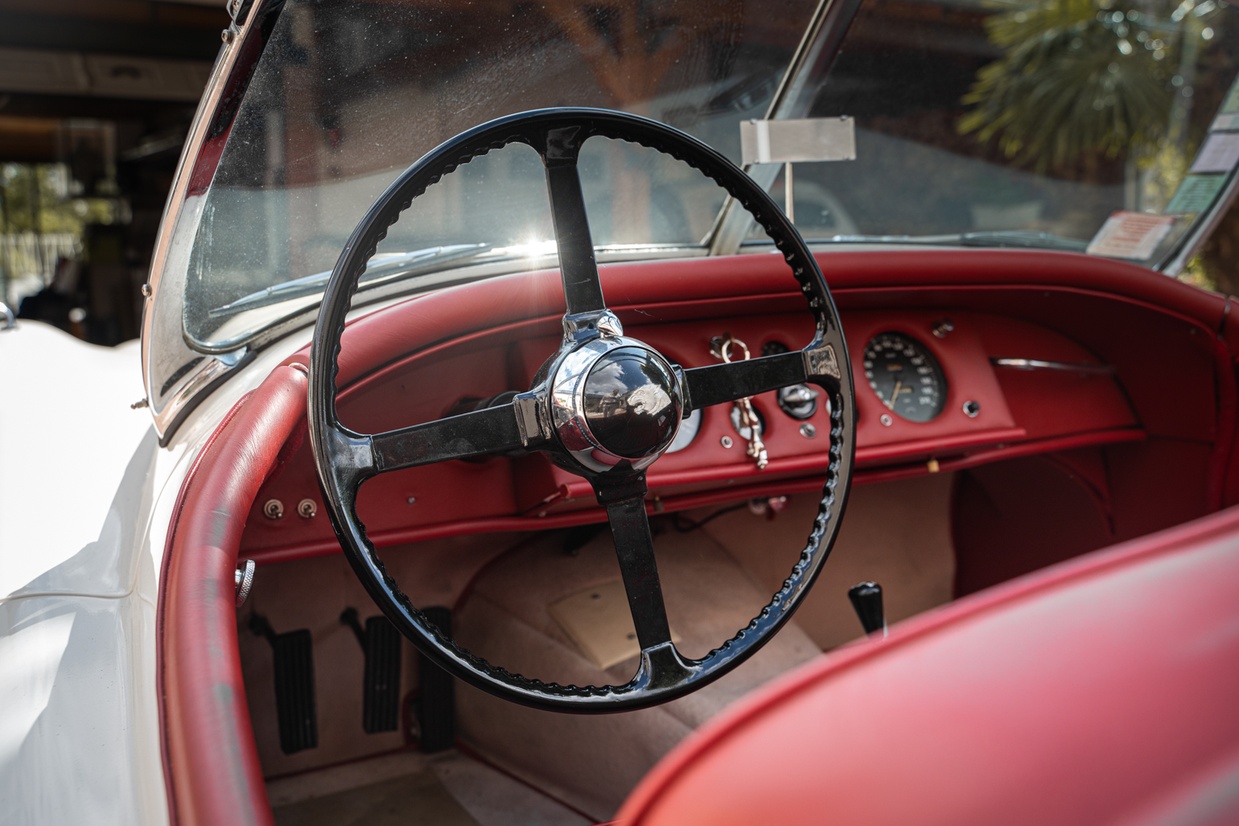
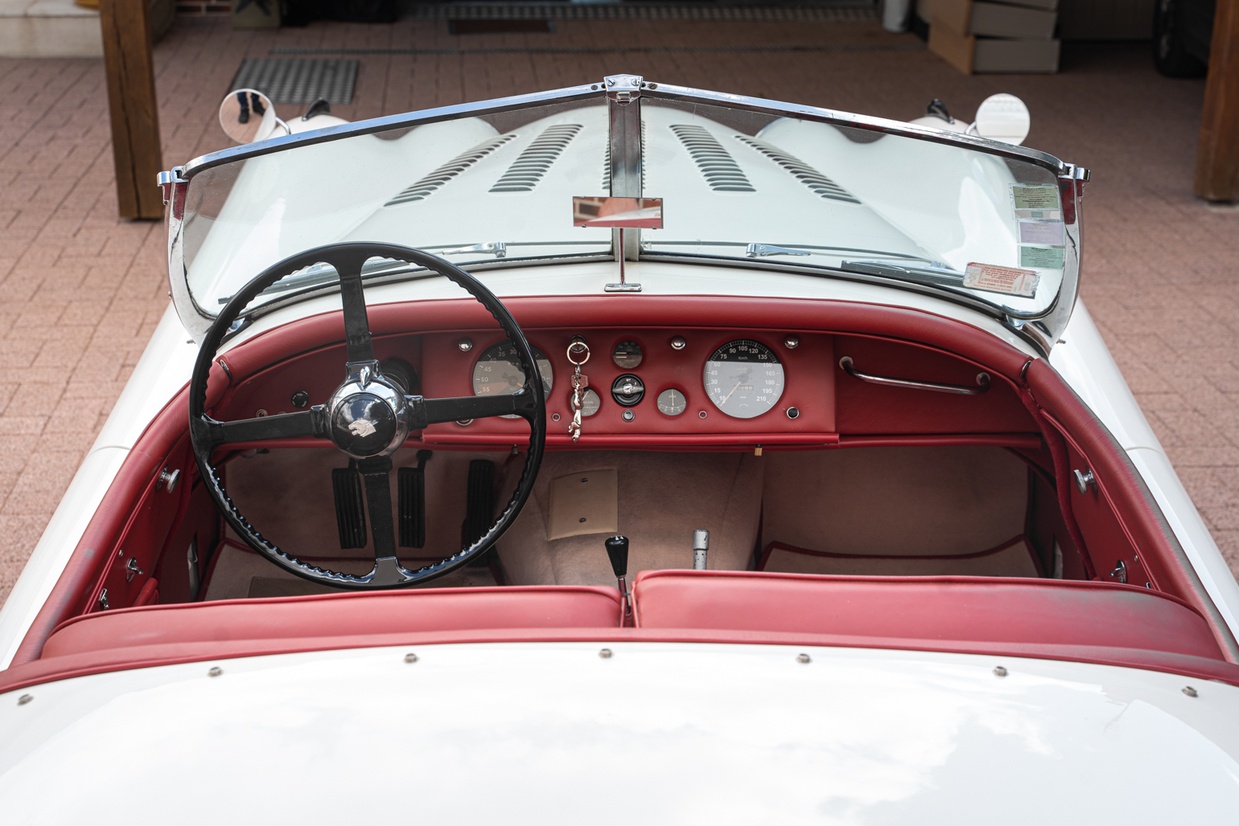
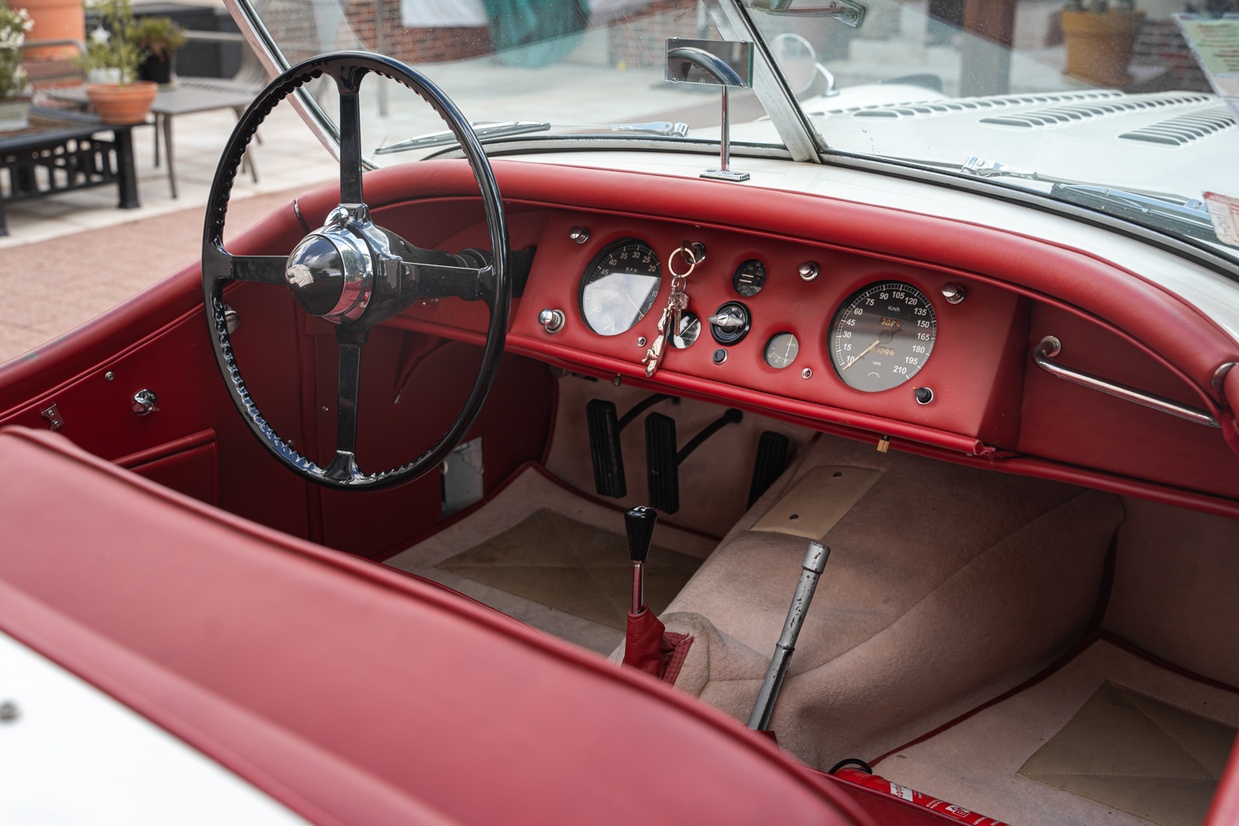
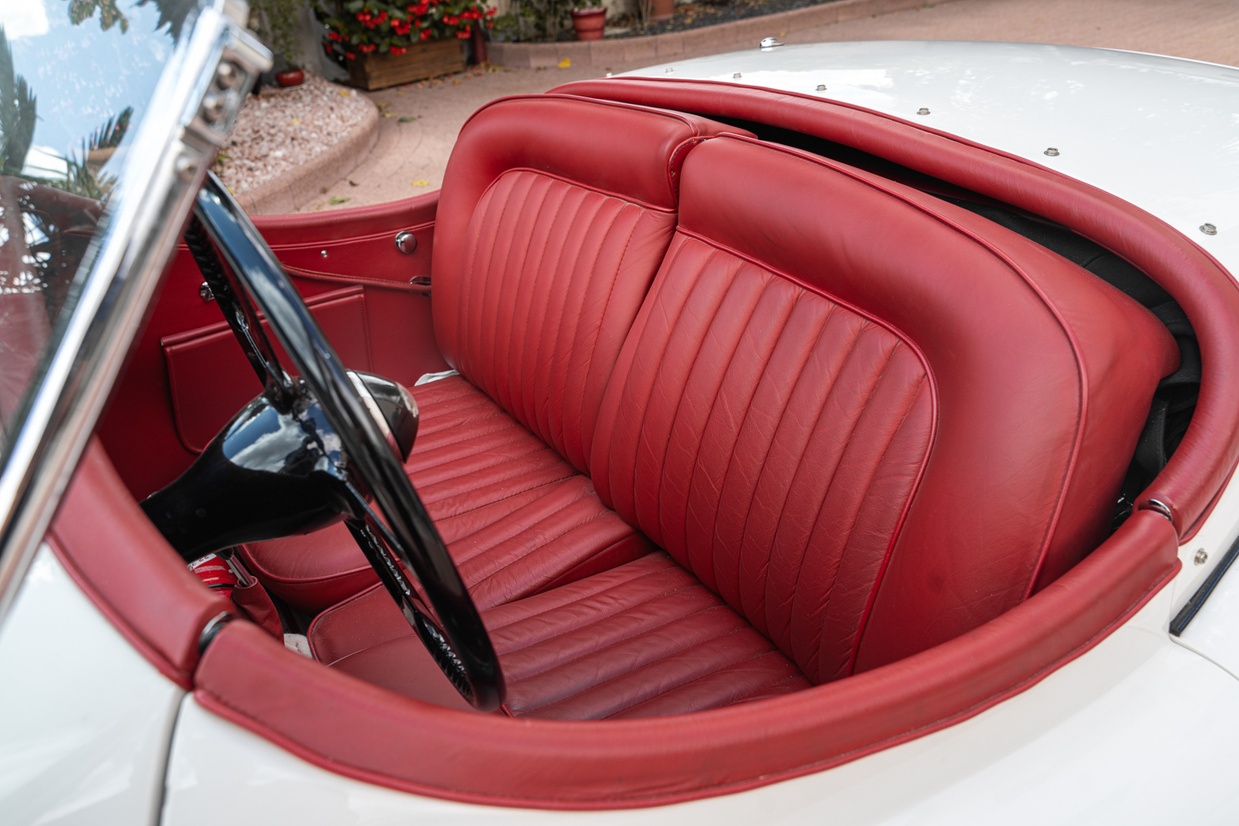
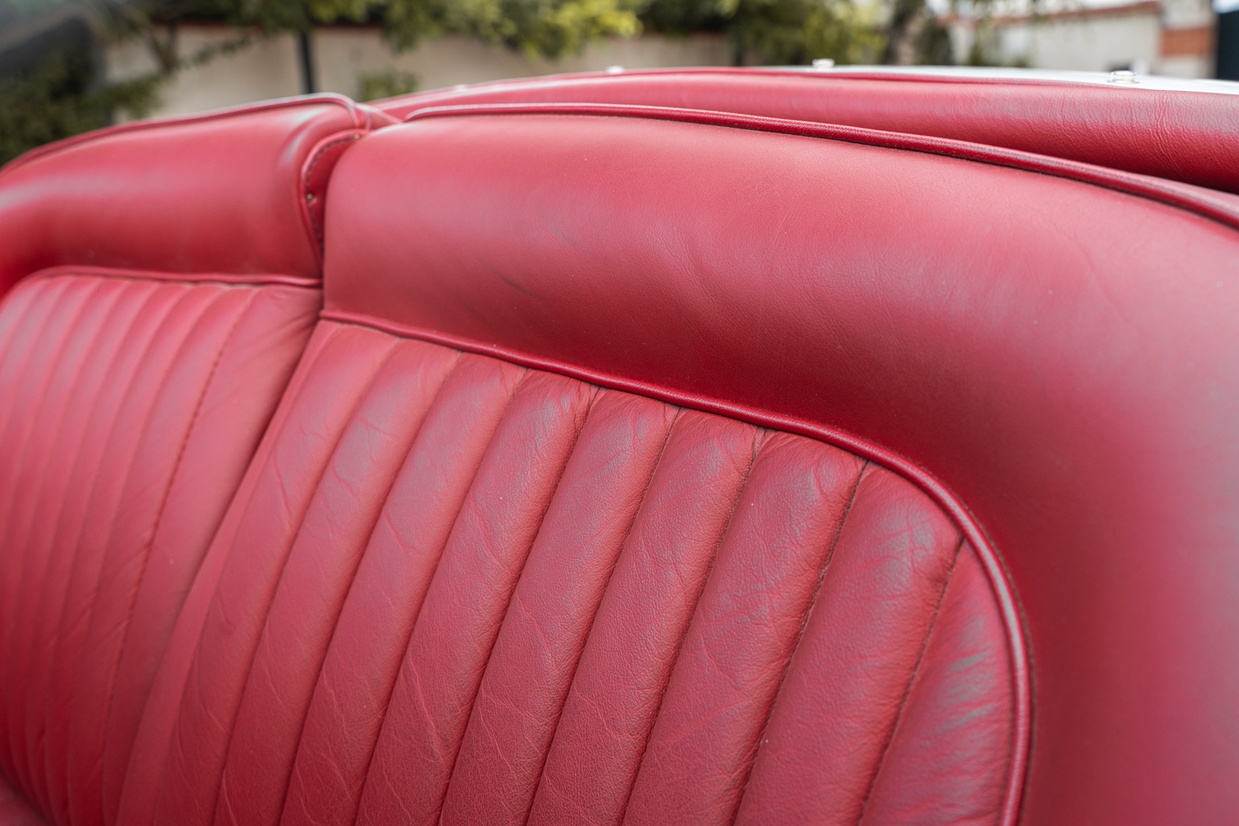
This example is presented in an elegant white exterior finish, paired with a red leather interior. The bodywork is in good overall condition, with the paint having been resprayed approximately five years ago. The cabin is well preserved and retains an attractive presentation. All dashboard instruments function correctly.
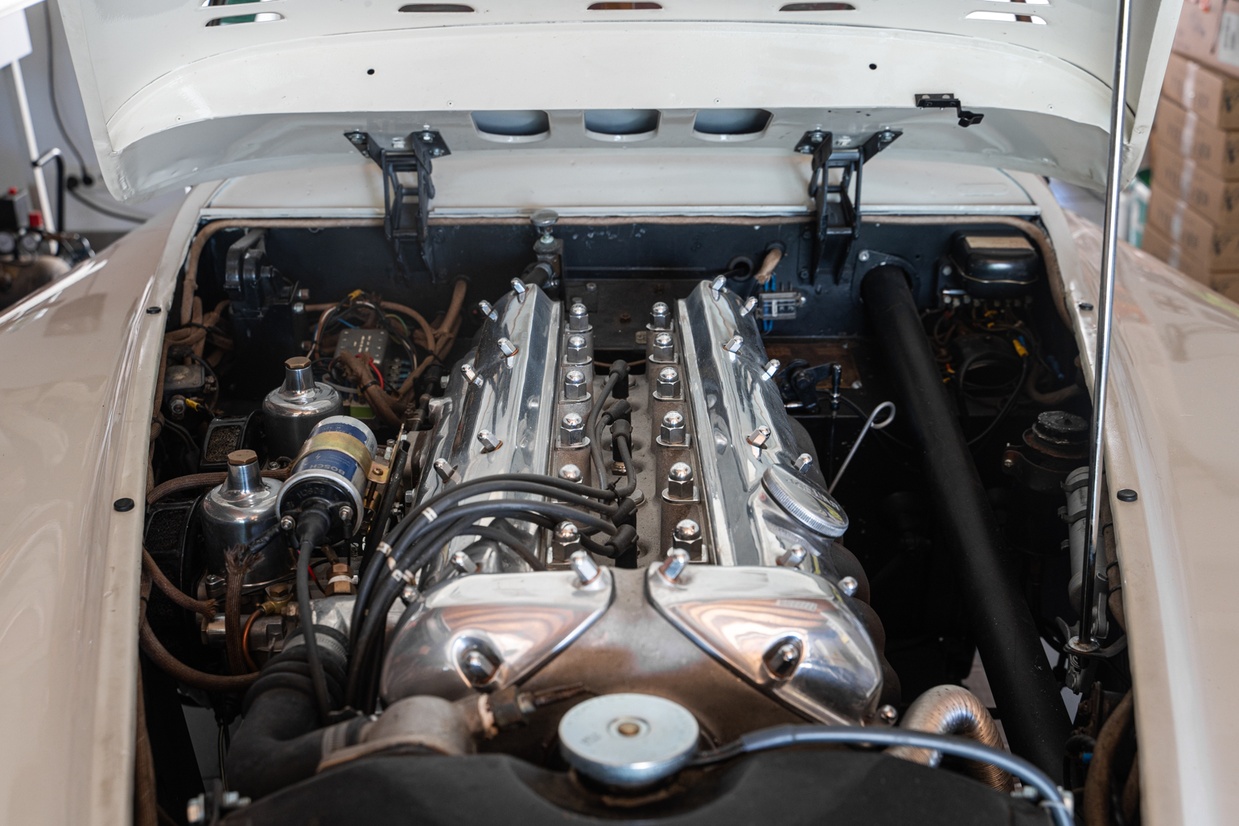
Powered by its petrol six-cylinder engine producing approximately 160 hp, combined with a manual gearbox, this XK120 delivers an authentic driving experience true to the spirit of post-war British sports cars. The mechanical components have undergone a complete restoration and operate perfectly. No expenses are required.
Maintenance and restoration work were entrusted to a classic car specialist based in Orléans. Extensive work has been carried out over the years, including the engine, power steering, braking system, clutch, fuel system, electrics, exhaust and leather interior. The tyres have covered approximately 400 km.
Recent maintenance and work include:
Complete documented restoration (engine, suspension, braking system, interior, ancillary components)
Consumables are in very good condition.
No modifications have been made to this example.
This Jaguar XK120 is supplied with its administrative status certificate, invoices, a detailed restoration file, a photo album and one key.
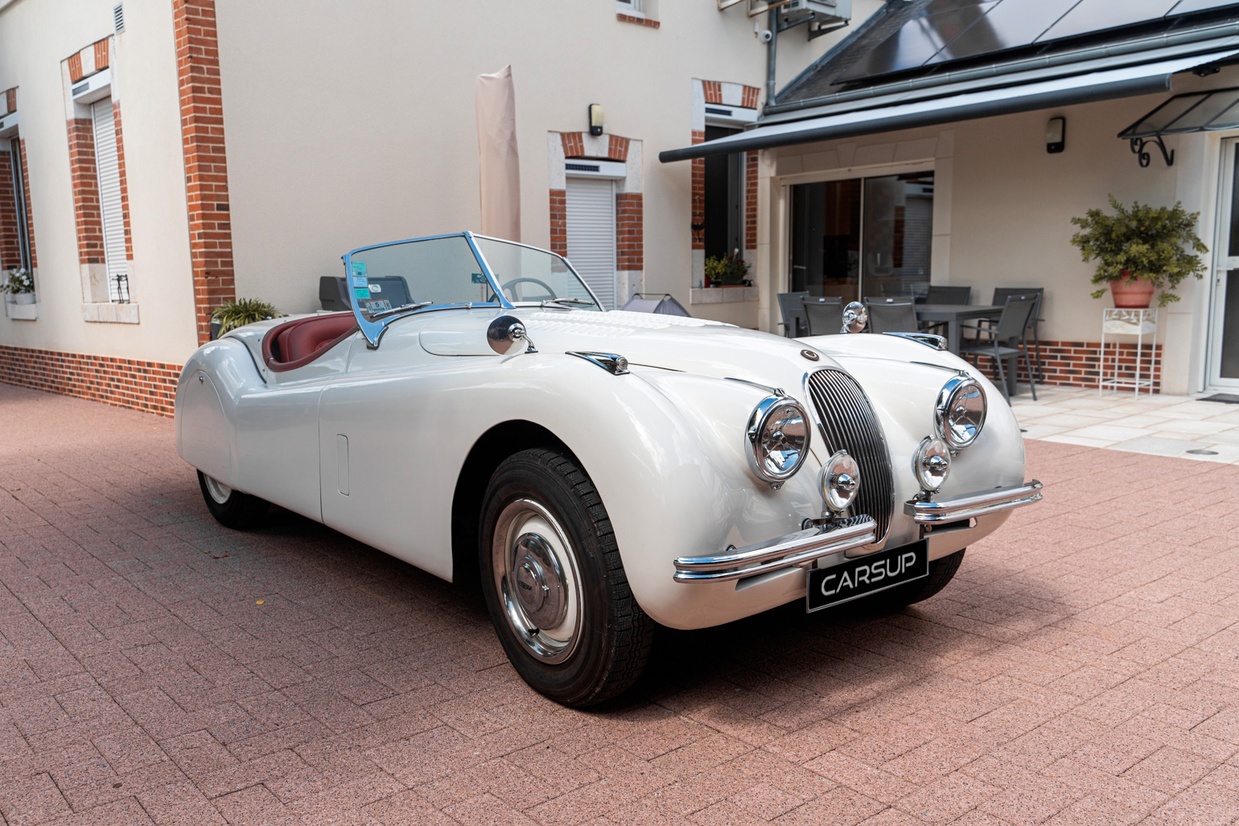
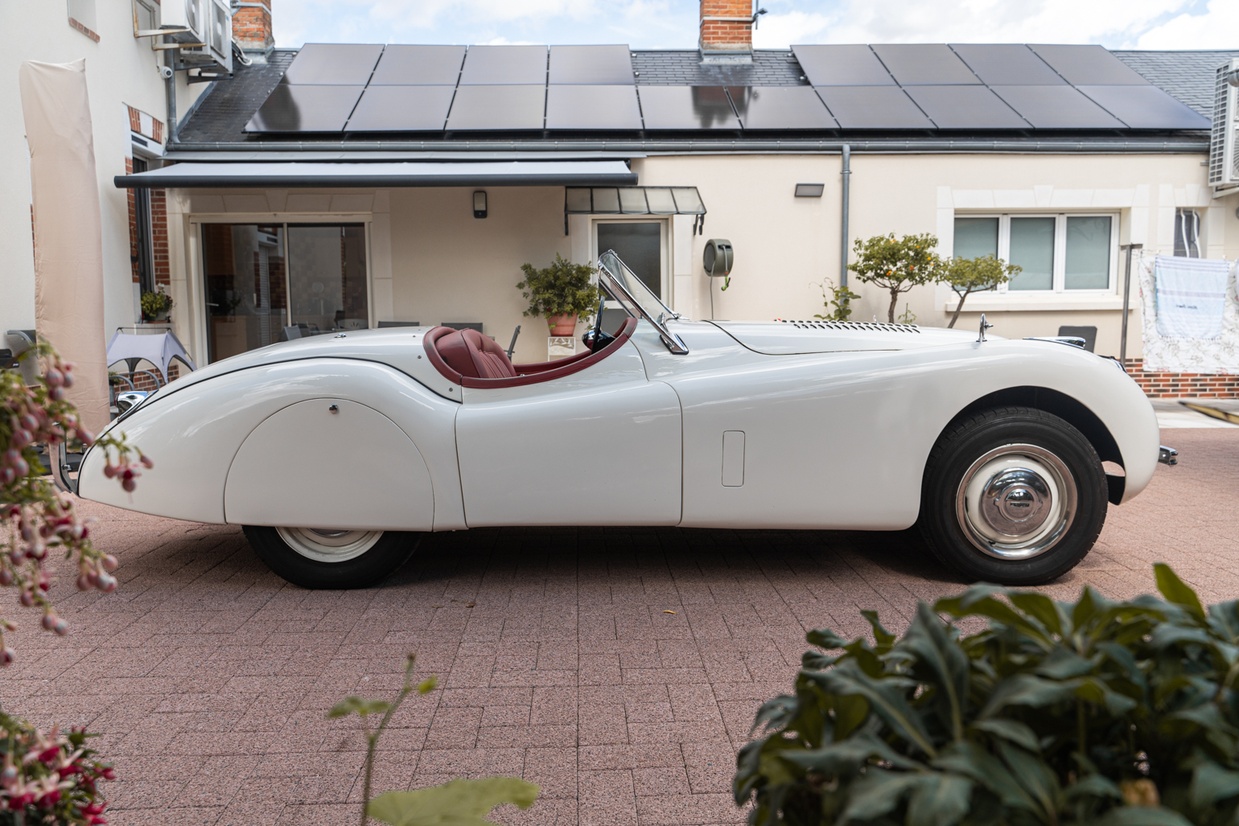
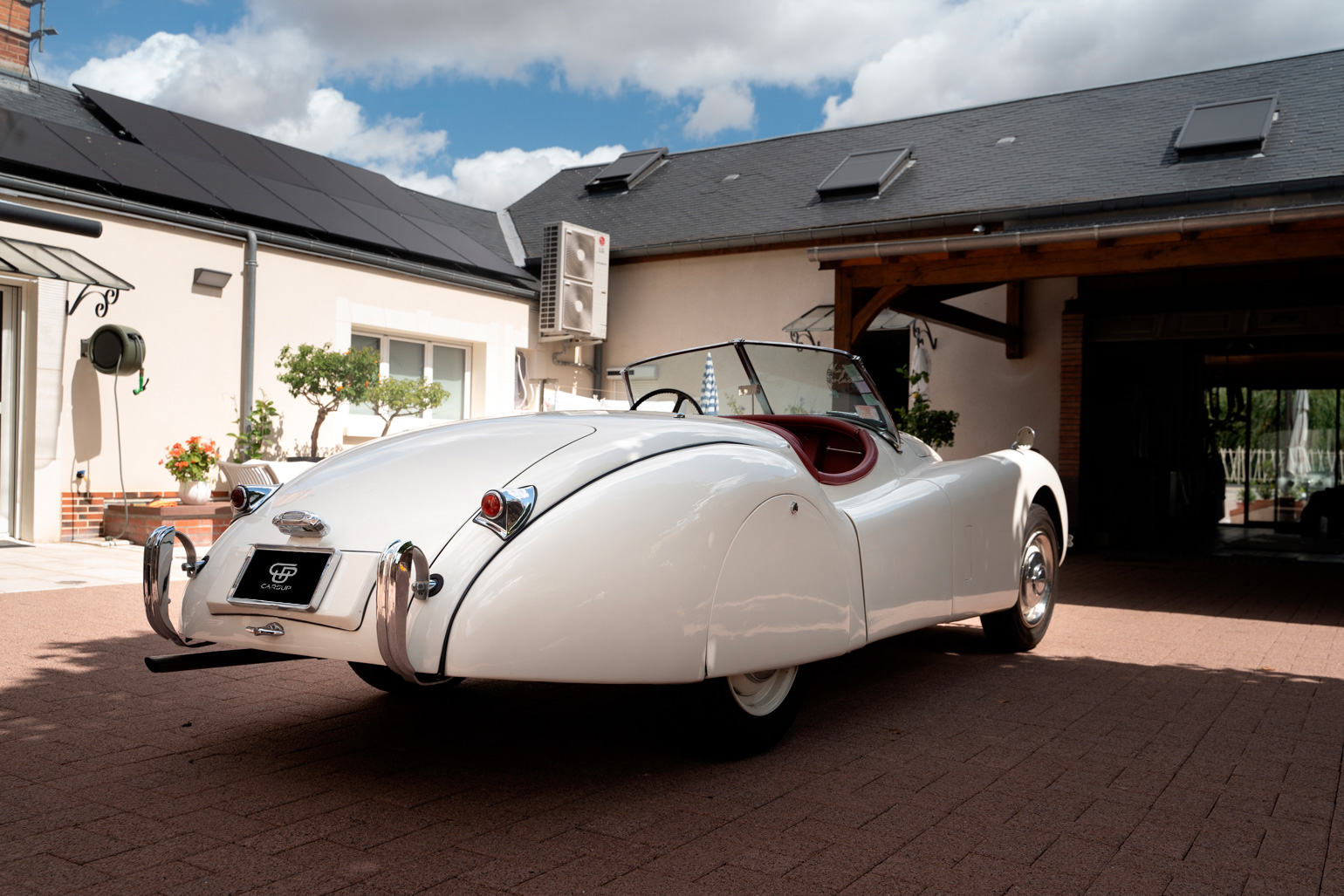
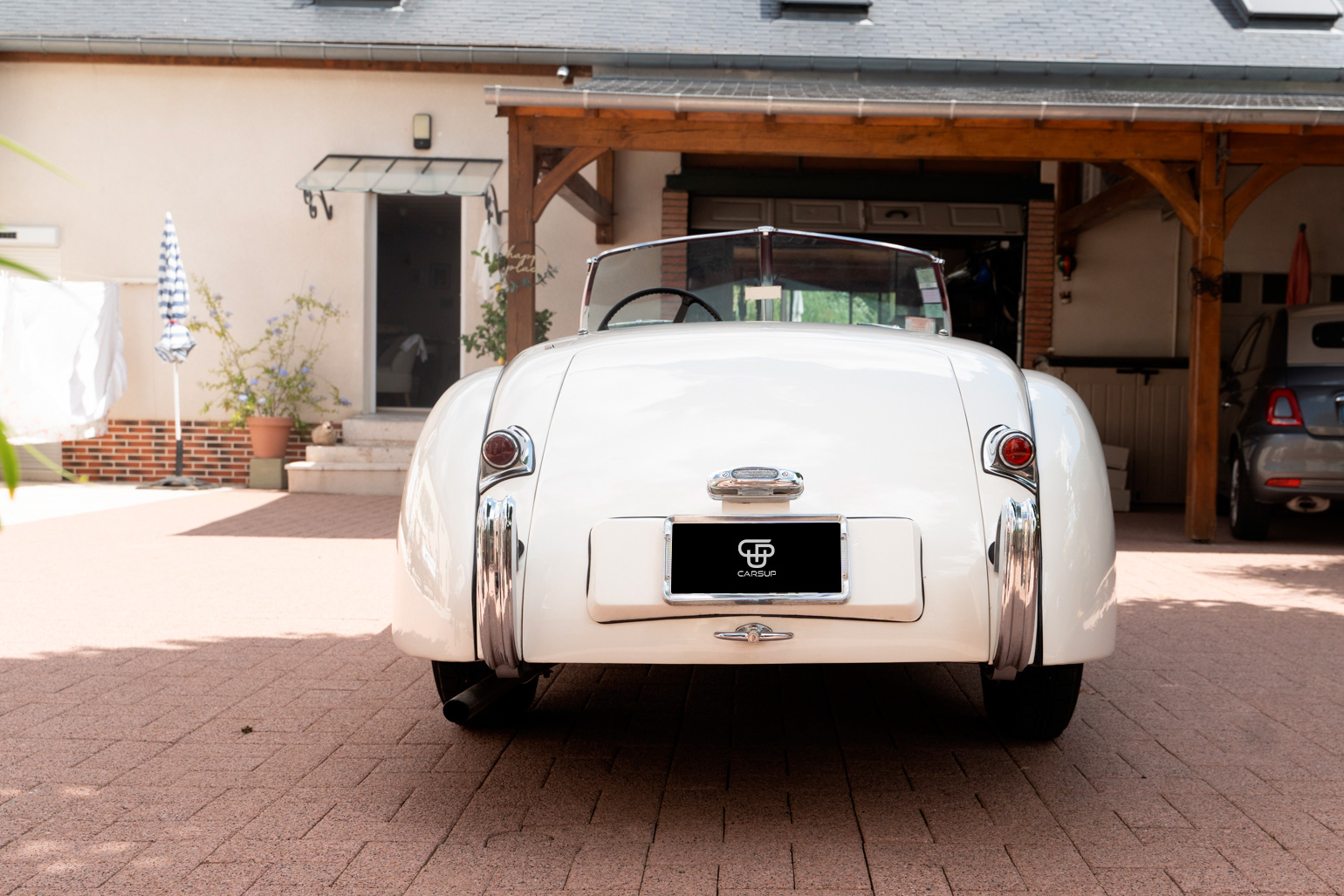
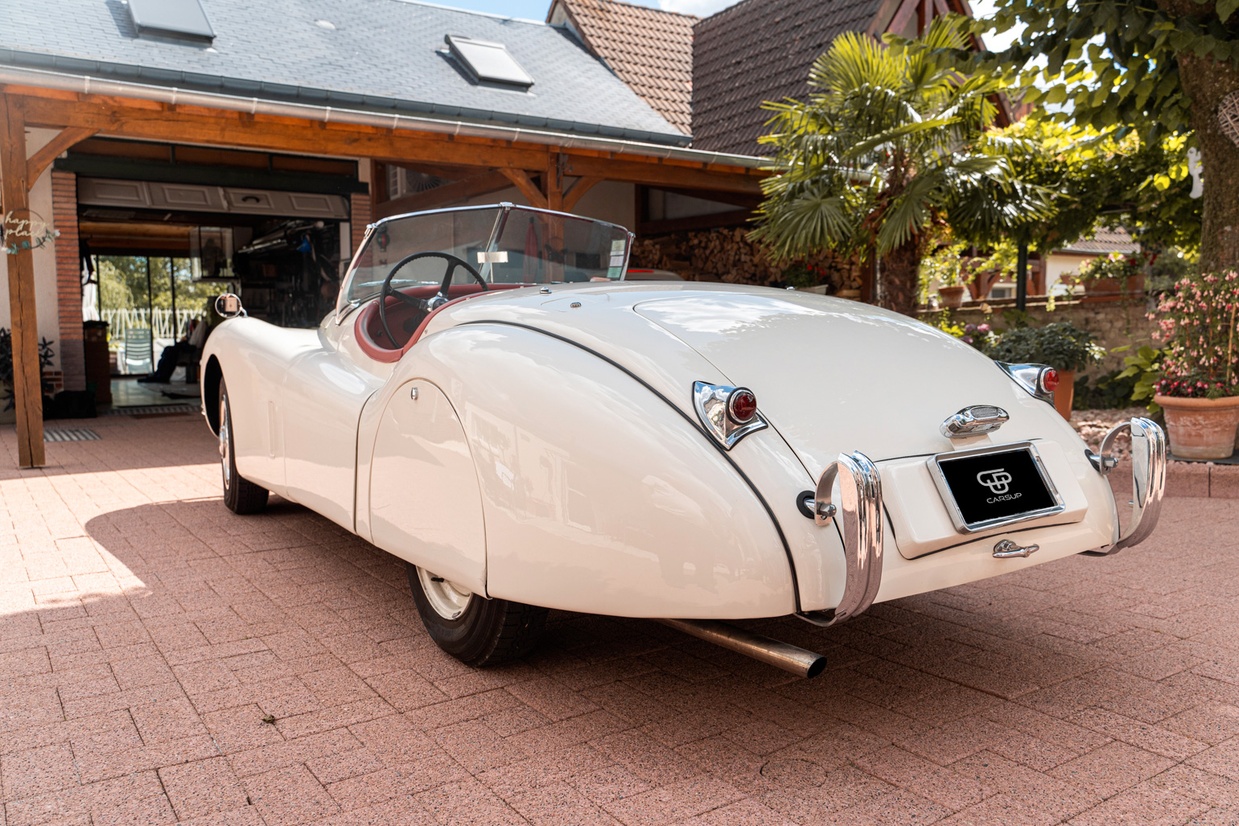
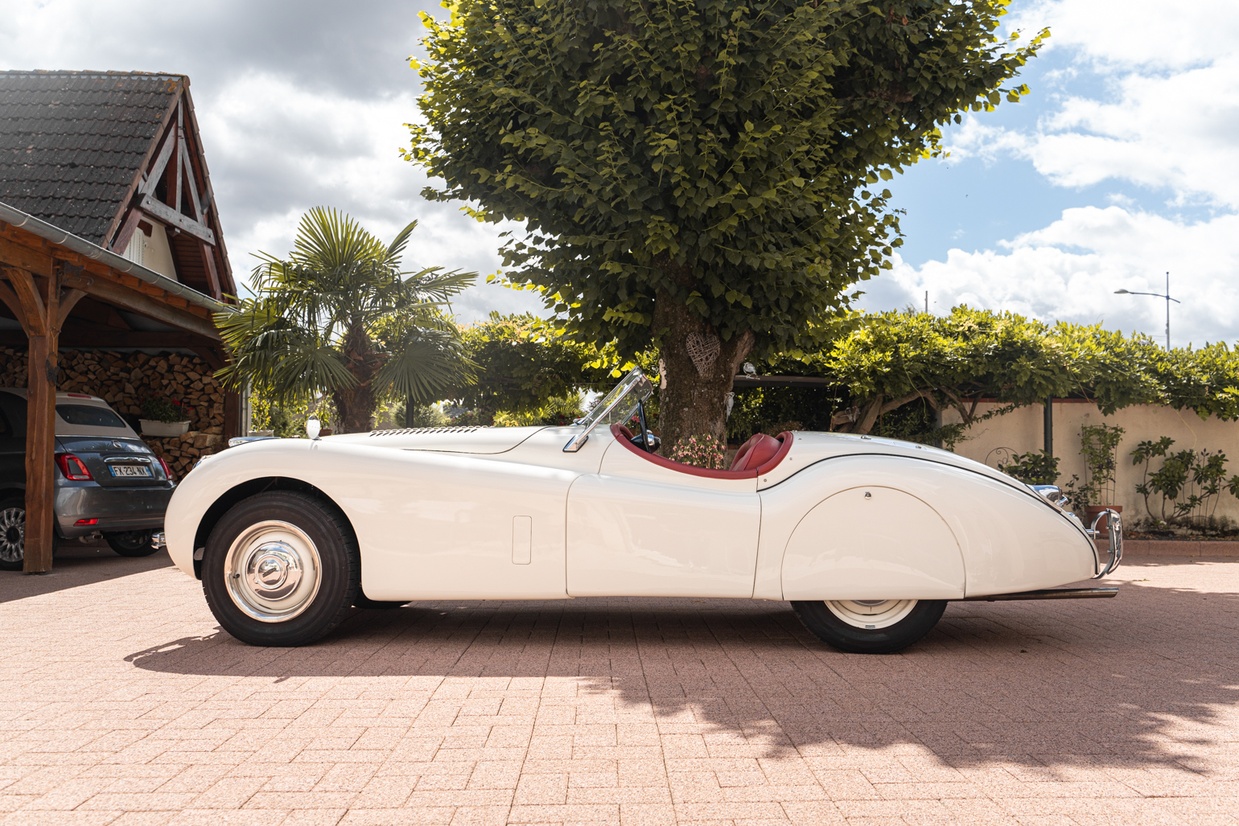
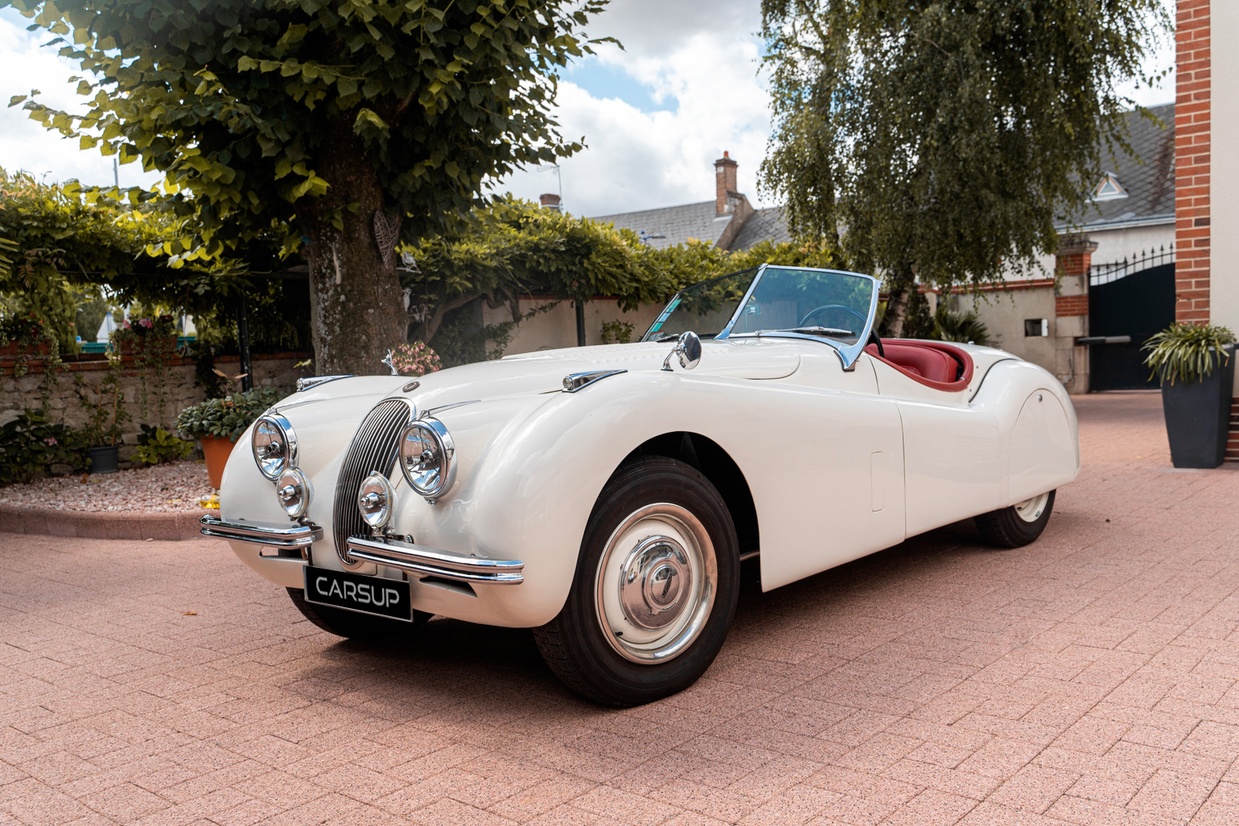
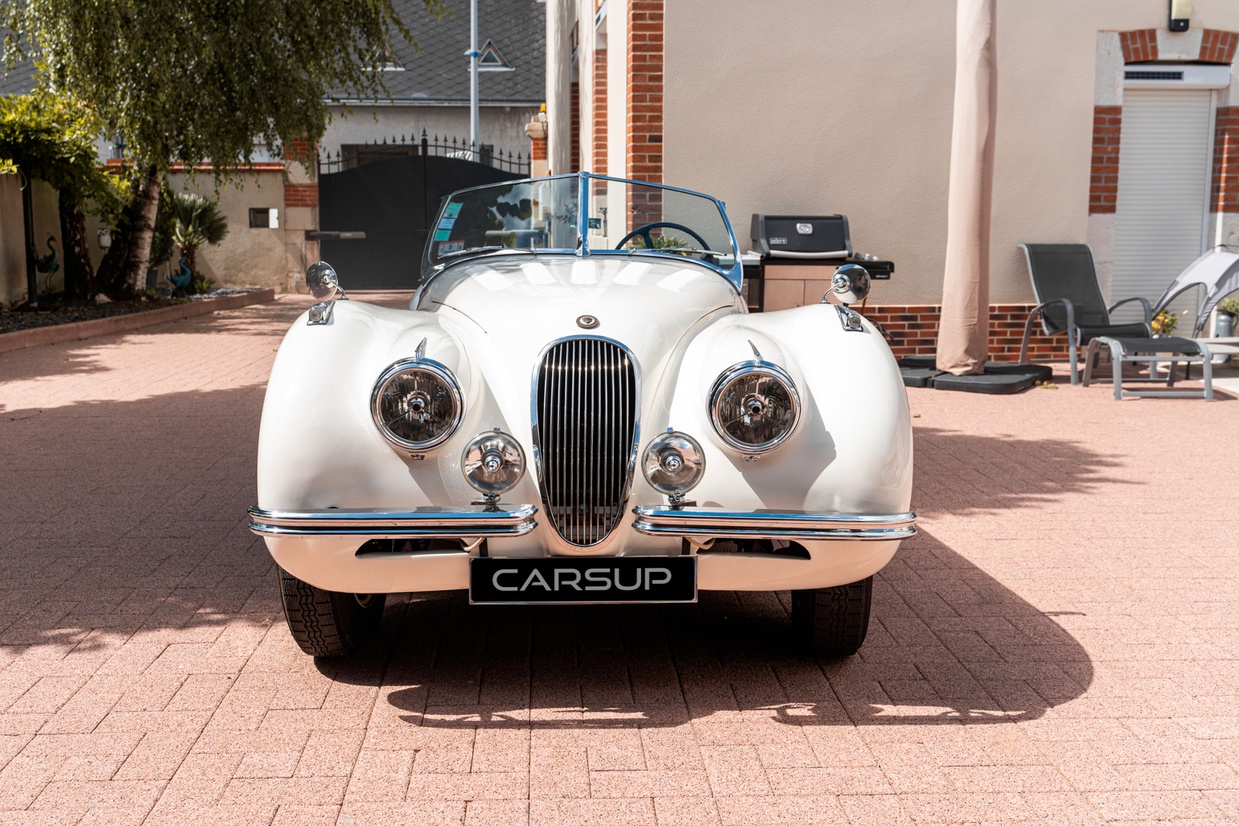
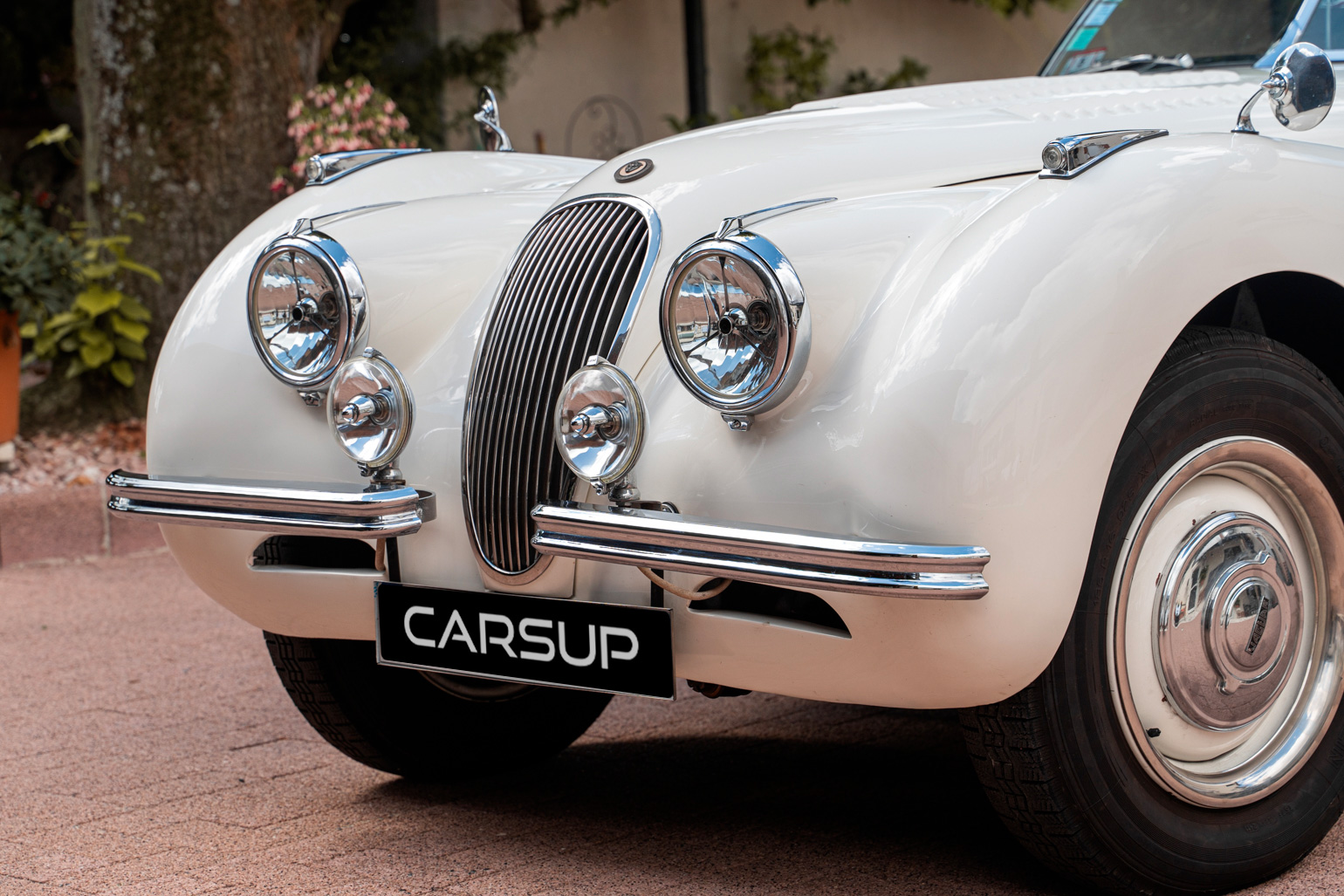
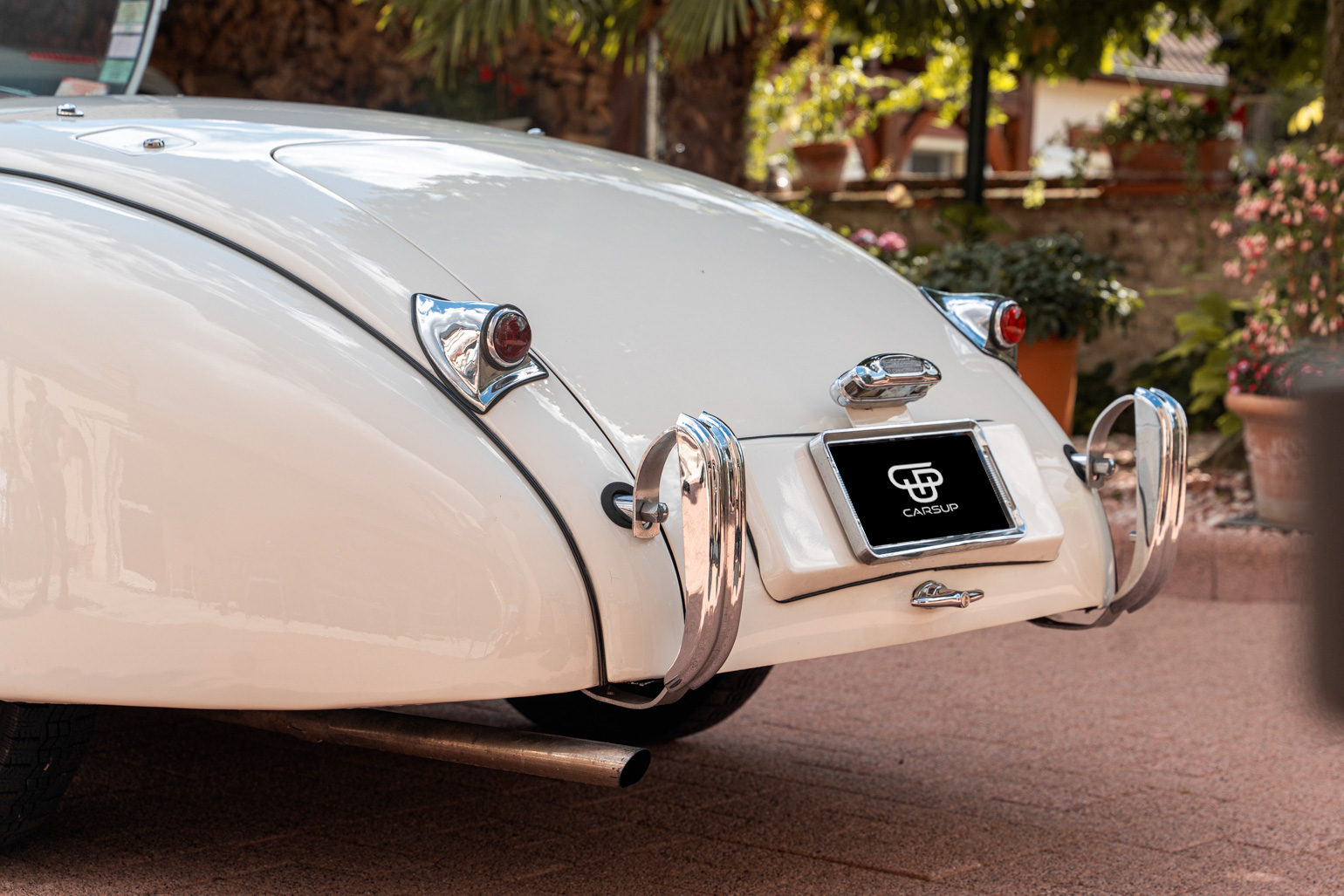
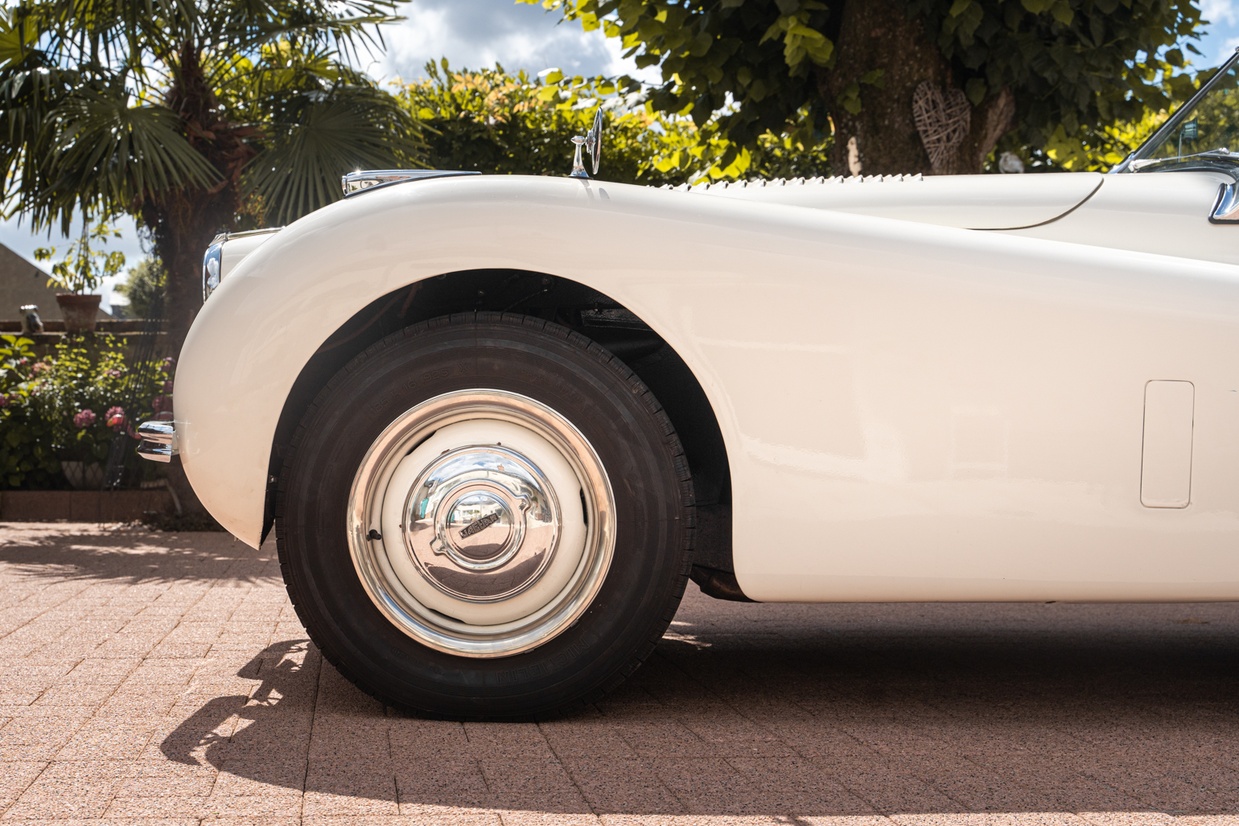

Unveiled at the 1948 Earls Court Motor Show as a showpiece for Jaguar’s all-new twin-cam XK engine, the XK120 wasn’t meant to be a volume model. Demand was so overwhelming that Jaguar rushed it into production—initially with hand-formed aluminium body panels over a steel chassis, before moving to steel bodies as tooling arrived. The name was no boast: with 160 bhp from its 3.4‑litre DOHC straight-six, period tests confirmed 120 mph plus, making it the fastest production car you could buy.
Early cars delivered an intoxicating mix of long-legged pace and civility. A Moss 4-speed gearbox (non-synchro first), torsion-bar front suspension and hydraulic drum brakes gave the XK120 grand-touring manners with serious speed. In 1951 Jaguar offered the Special Equipment (SE) package—wire wheels, stiffer suspension, twin exhaust and higher‑lift cams—for about 180 bhp. From 1953, a “C‑type” cylinder head could push output toward 190 bhp. Alongside the original open two-seater (OTS), a fixed-head coupé (1951) and a more luxurious drophead coupé (1953, with wind‑up windows and lined hood) broadened its appeal.
Competition proved the car’s mettle. Ian and Pat Appleyard’s famous XK120 “NUB 120” dominated post‑war rallying, winning the Alpine Rally in 1950 and 1951 and earning the coveted Coupe d’Or after three penalty‑free Alpine runs by 1952; it also took the 1951 RAC Rally and Tulip Rally silverware. On motorways like Belgium’s Jabbeke, near‑standard XK120s ran over 130 mph with windscreens removed and aeroscreens fitted, cementing the “fastest production car” aura that Jaguar’s brochures happily touted. A 1949 test by The Motor recorded over 124 mph in road trim, remarkable for the era.
Celebrity allure came quickly: Hollywood star Clark Gable owned an early alloy XK120, and the model graced countless glossy ads and magazine covers, becoming a post‑war style icon as much as a performance benchmark. Period critics loved the way it blended turbine‑smooth thrust with long‑distance comfort; they grumbled mostly about heavy steering at parking speeds and the gearlever’s first‑gear crunch—but forgave both the moment the big six cleared its throat.
The XK120 changed Jaguar’s trajectory. It demonstrated that Sir William Lyons’ company could build world‑class sports cars, directly inspiring the competition‑bred C‑type and D‑type that conquered Le Mans. When production ended in 1954, replaced by the XK140, the XK120 had already redrawn the map for fast, civilised British sports cars—an intoxicating mix of beauty, usability and sheer speed that still defines the Jaguar legend.
Un crédit vous engage et doit être remboursé. Vérifiez vos capacités de remboursement avant de vous engager.
Aucun versement sous quelque forme que ce soit ne peut être exigé d'un particulier avant l'obtention d'un ou plusieurs prêts d'argent.
Exemple de financement en Crédit (1) sur 36 mois pour ce véhicule Porsche 911 991 Targa 4 GTS d'occasion vendu au prix de 154900,0 € TTC avec un apport de 31000,0 € : soit un montant financé de 123900,0 €, remboursable en 35 mensualités de 1473,0 € (2) et un premier loyer de 32473,0 € hors assurance(s) et/ou prestation(s) facultative(s).
Montant total dû hors assurance(s) et/ou prestation(s) facultative(s) : 183400,0 €.
Taux débiteur fixe de 7.10 %, TAEG fixe de 7.35%.
Coût total du crédit 177155,44 € dont des intérêts de 24901,08 €, dont des frais de dossier de 4647,0 € étalés sur les 3 premiers mois. Dans le cas d'une offre spéciale sur le prix du véhicule, le montant total financé s'entend offres promotionnelles et aides gouvernementales (prime à la conversion, bonus écologique...) déduites (selon critères d'éligibilité en vigueur).
(1) Offre valable réservée aux particuliers chez tous les distributeurs participant à l’opération. Sous réserve d'acceptation définitive du dossier de financement par CGL, Compagnie Générale de Location d'Équipements - S.A au capital de 58 606 156 euros - 69 avenue de Flandre 59700 Marcq-en-Barœul - SIREN 303 236 186 RCS Lille Métropole ou Financo, S.A à Directoire et Conseil de surveillance au capital de 210 000 000 euros - 335 rue Antoine de Saint-Exupéry, 29490 Guipavas - SIREN 338 138 795, RCS Brest
(2) Exemple hors Assurance des personnes facultative. Coût de l'assurance facultative des personnes [Assurance Protection Pécuniaire] : Taux Annuel Effectif Assurance (TAEA) 4,03 %, 173,56 €/mois en sus du loyer, soit un montant total dû de 6244,56 € au titre de cette assurance sur la durée totale du financement.
Médiateur de la consommation :
En cas de litige, et après réclamation écrite auprès de nos services restée infructueuse, tout client agissant en qualité de consommateur (non professionnel) peut saisir gratuitement le Médiateur FNA en vue d’une résolution amiable de son différend.
Adresse postale : Le Médiateur FNA – Immeuble Axe Nord – 9 & 11 avenue Michelet – 93583 Saint Ouen Cedex
Site internet : www.mediateur.fna.fr sur lequel vous pouvez déposer en ligne votre demande de médiation et consulter les informations relatives au processus de médiation.
Parfait état - Historique limpide - Carte grise Française - Carnet + Factures
Parfait état - Historique limpide - Carte grise Française - Carnet + Factures
Parfait état - Historique limpide - Carte grise Française - Carnet + Factures
Didn't find the answer you were looking for?
Contact us, and an expert will respond promptly.
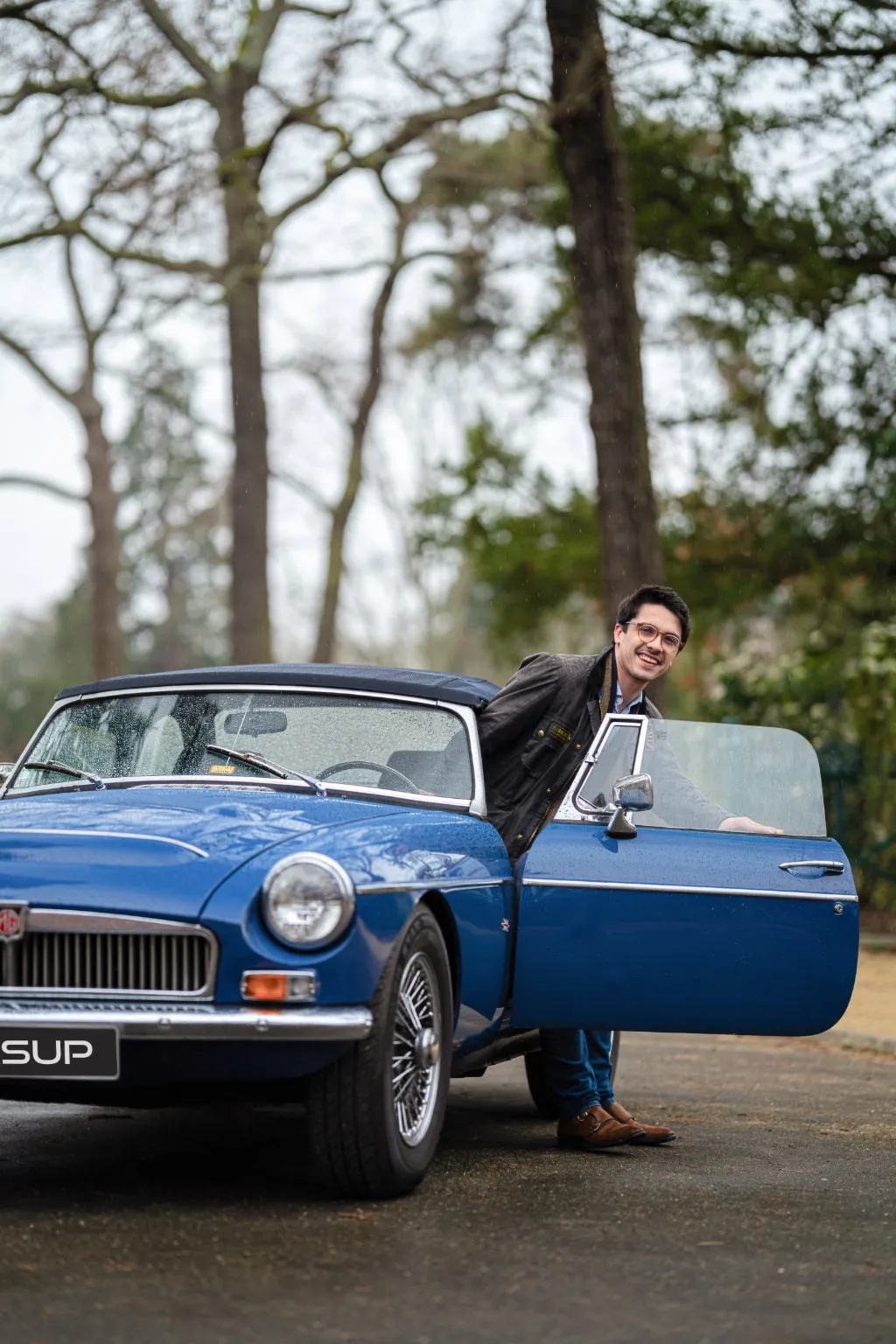
Vincent, an automotive expert, oversees the Orléans concierge services. With professionalism, empathy, and discretion, he is dedicated to meeting all your needs.

Samuel Lelarge
CEO and Founder of Carsup
Supporting car enthusiasts in their projects to buy and sell exceptional vehicles is at the heart of our commitment.
We make every effort to ensure a smooth, transparent process that is perfectly adapted to your expectations. Each transaction is designed to preserve the value of your automotive assets while meeting the highest requirements.
This service aims to offer you the freedom to develop your collection according to your desires, in all simplicity and without constraints, thanks to our complete management of the processes of buying and selling your cars.