Le coin des experts
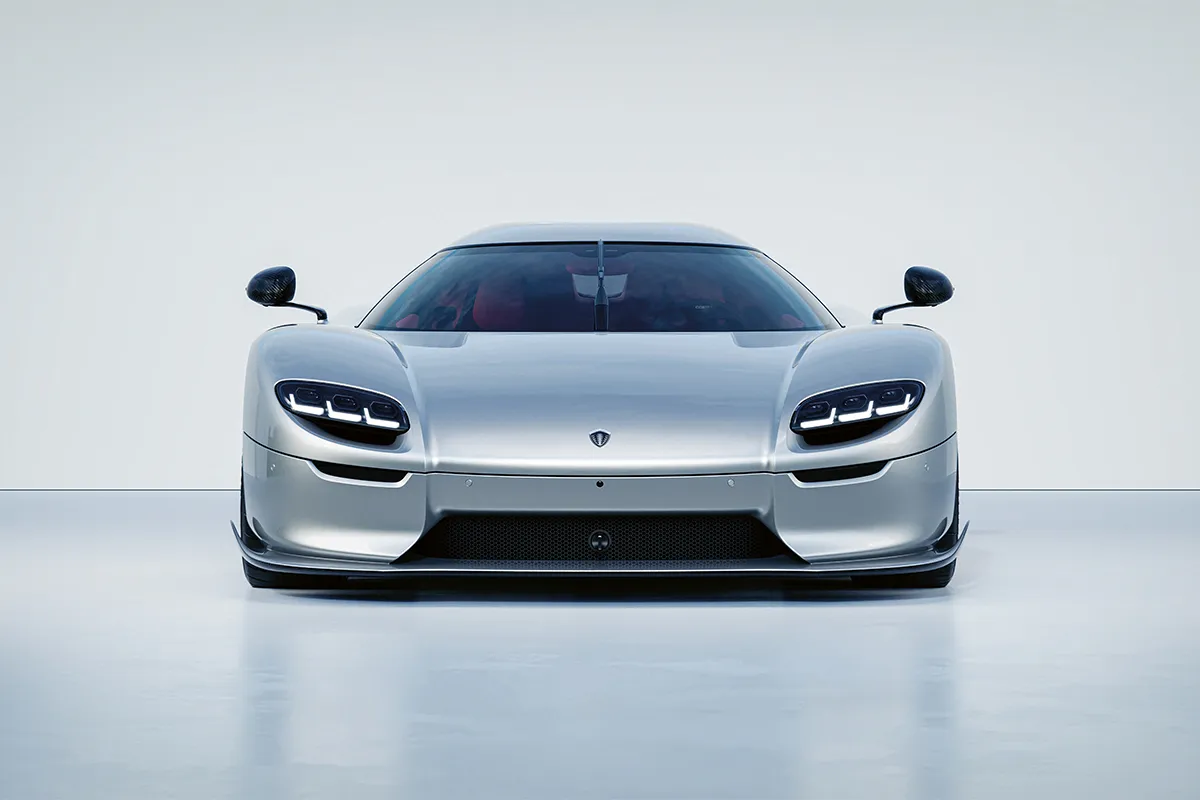
For 20 years, the Swedish brand whose name we can't pronounce has continued to impress us with its innovations. Led by Christian von Koenigsegg, it is now part of the very limited circle of manufacturers capable of producing the most advanced hypercars in the world.
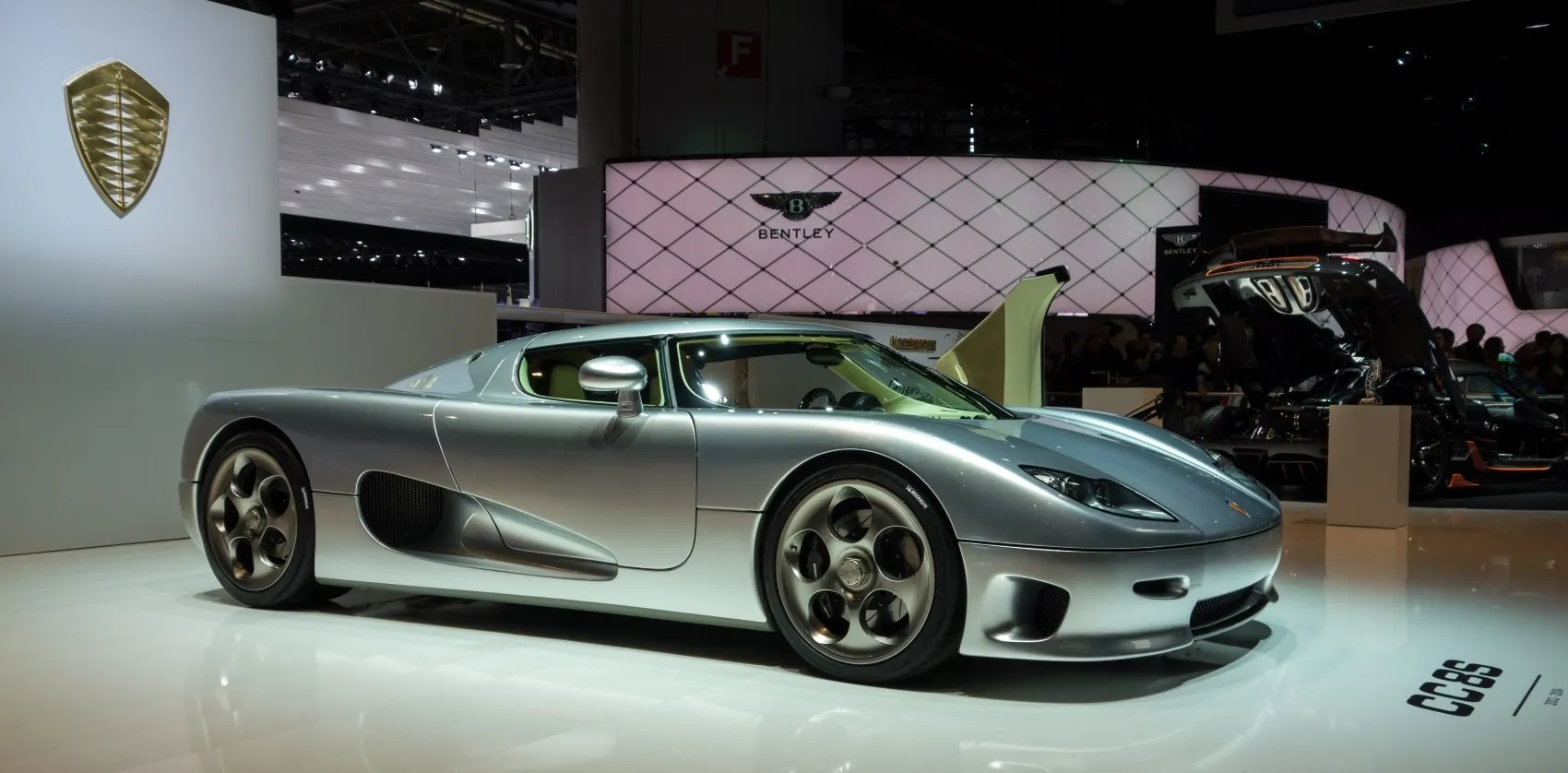
Its first model, the CC8S, produced from 2002 to 2004, will be a perfect introduction. Its body and chassis made of composite materials, combined with a manual gearbox, dihedral doors, a targa roof that can be accommodated in the front trunk and a 655 horsepower V8 engine, for a peak of 390 km/h, will make it an anthology model. To pay tribute to it and celebrate the 50th anniversary of its founder, Koenigsegg is unveiling a modern interpretation: the CC850.
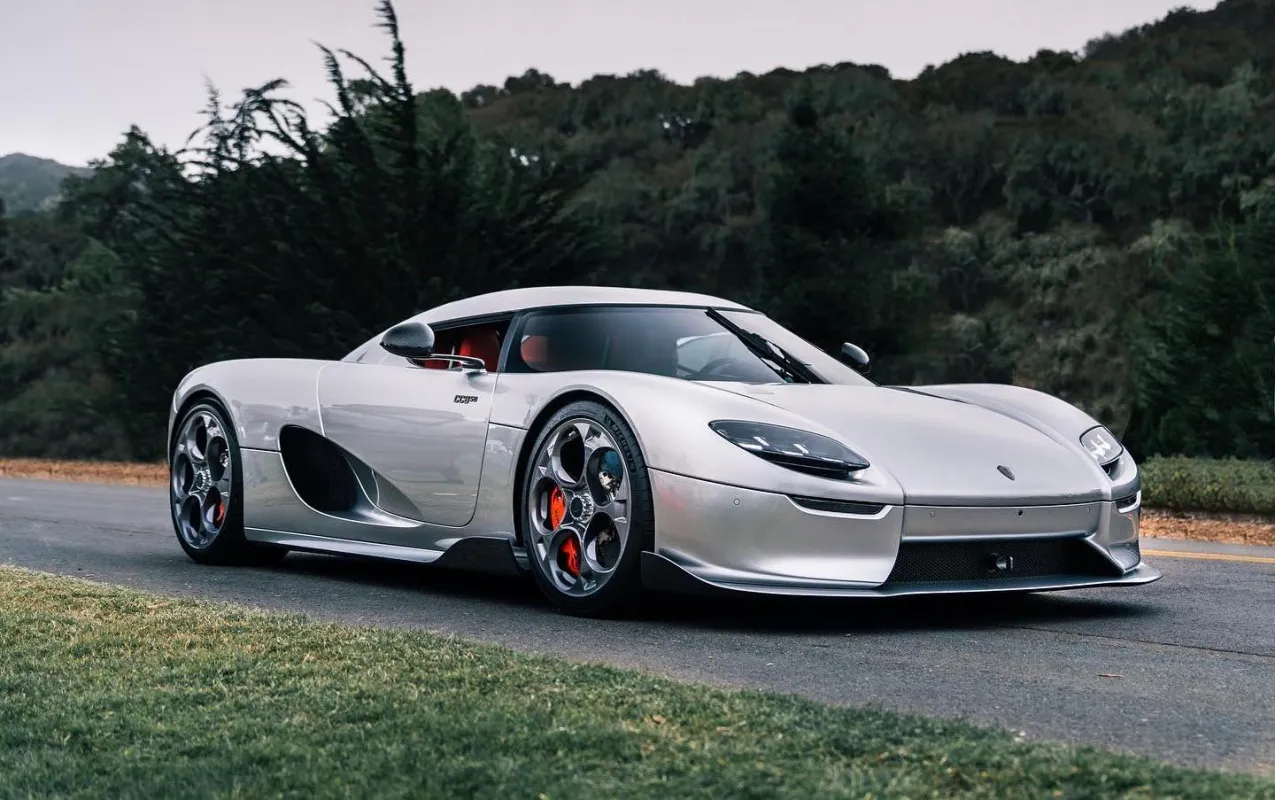
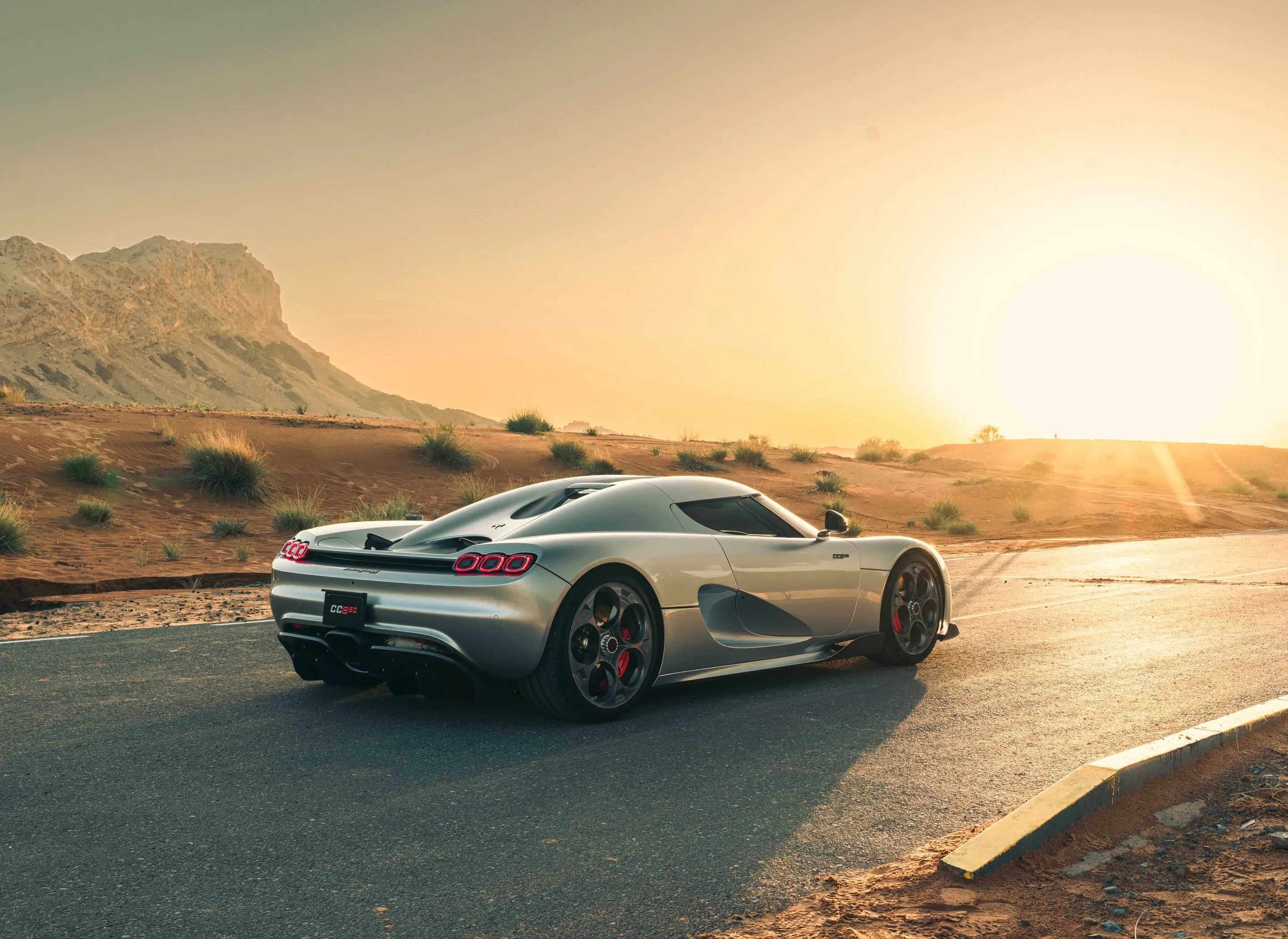
Undoubtedly, the CC850 is the direct descendant of the CC8S, its design is an almost faithful reflection, except for a few modernized details. Presented at the The Quail elegance competition in California, the CC850 gained about 17 centimeters in length, adopted aesthetically reworked front and rear optics and refined mirrors. With the exception of these exterior adjustments, only the interior, which has been considerably updated, betrays the difference at first glance. This contrast highlights the timelessness of the original design of the CC8S, whose silhouette spans decades, while the interior needed a complete overhaul to meet current standards.
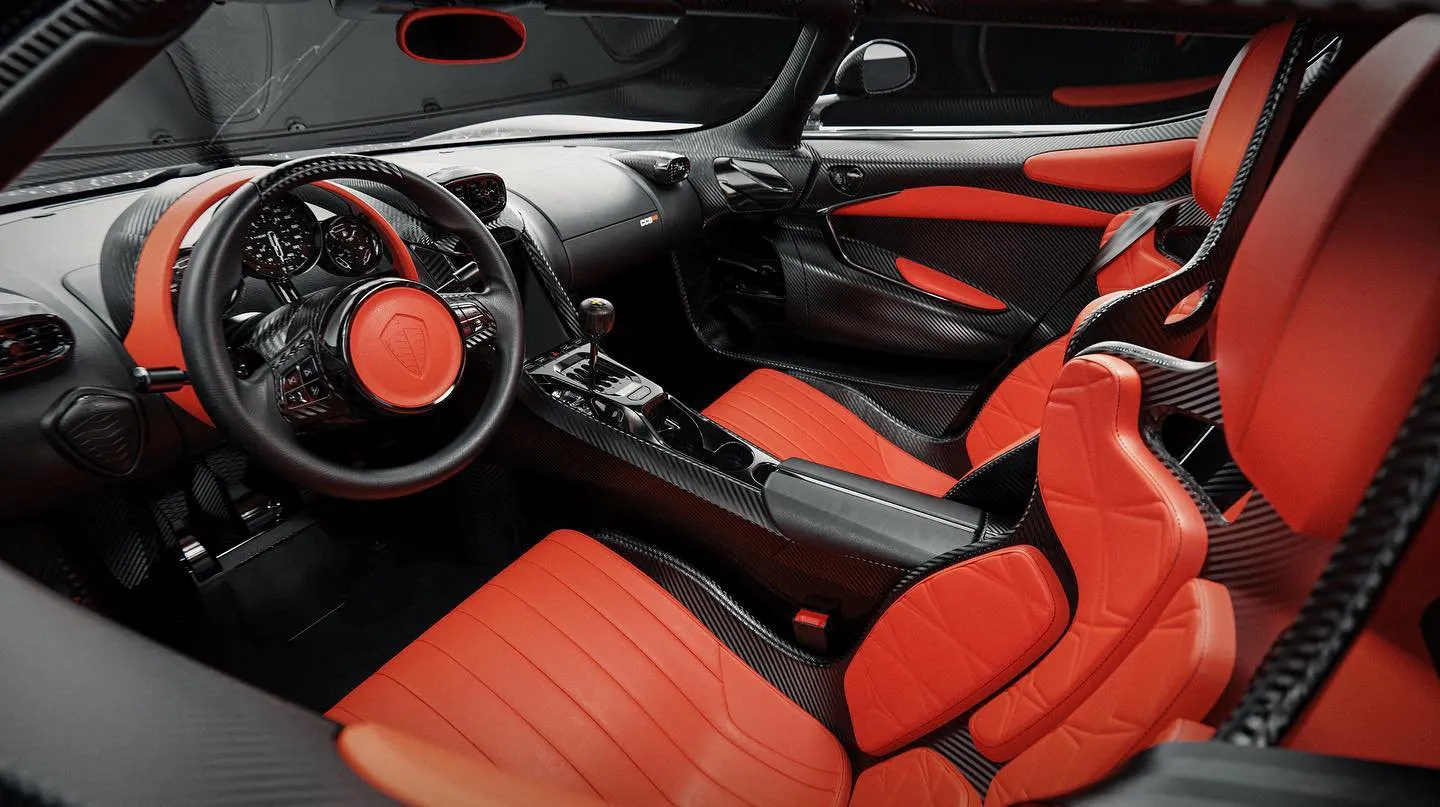
On the other hand, Koenigsegg has not been satisfied with the 655 horsepower of the CC8S and is drastically increasing the power, at the cost of being slightly overweight. The 1,175 kg of the CC8S increase to 1,385 kg for the CC850, a gain in weight quickly forgotten compared to the 1,385 horsepower developed by the 5.0L V8. The weight/power ratio thus reaches 1:1 recalling a certain Agera One:1, an additional nod to the history of the brand. But even more than its numbers, it is the CC850's transmission that is intriguing: it combines, for the first time in the world, an automatic gearbox... and a genuine manual gearbox. An unprecedented technical tour de force.
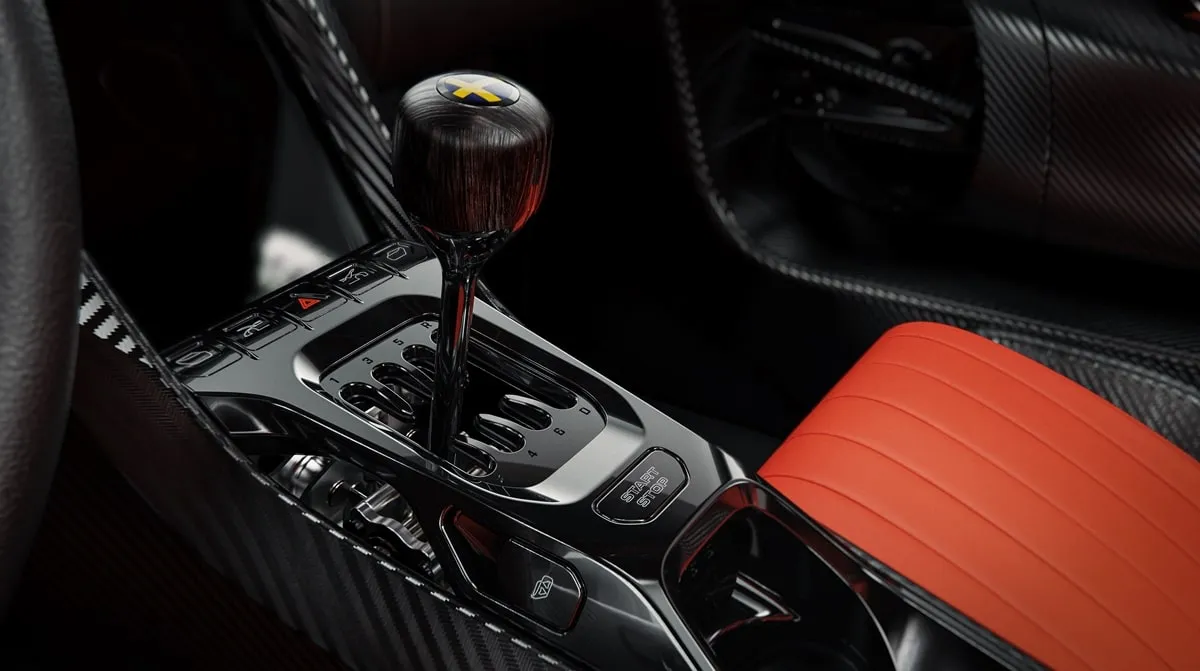
Koenigsegg's wishes are simple. Offer its customers the opportunity to take advantage of a manual transmission and the commitment it provides, while allowing more relaxed driving in automatic mode. When the gear lever is in neutral, the driver simply needs to move it all the way to the right to engage automatic mode, or engage first gear to switch to manual mode.
Very easy to use, this double box is nevertheless very ingenious when you look at how it works. The automatic transmission has 9 speeds, while the manual transmission only offers 6. Being too numerous for a grid, the 9 speeds are distributed according to a very specific ratio.
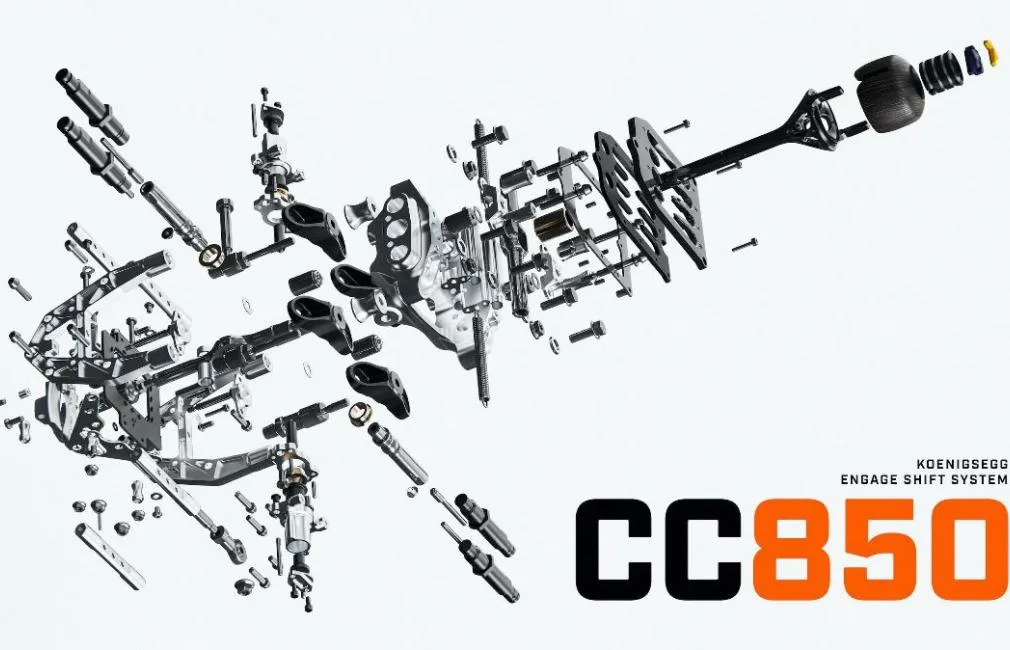
When the driver decides to use manual mode, he benefits from a particularly realistic analog reproduction: a clutch with force feedback, a gear lever with a mechanical feel and all the associated mechanical constraints. Although this manual mode uses the automatic transmission, it is impossible for the driver to change a gear without using the clutch correctly, or to downshift without respecting the engine speed, as with a true manual transmission.
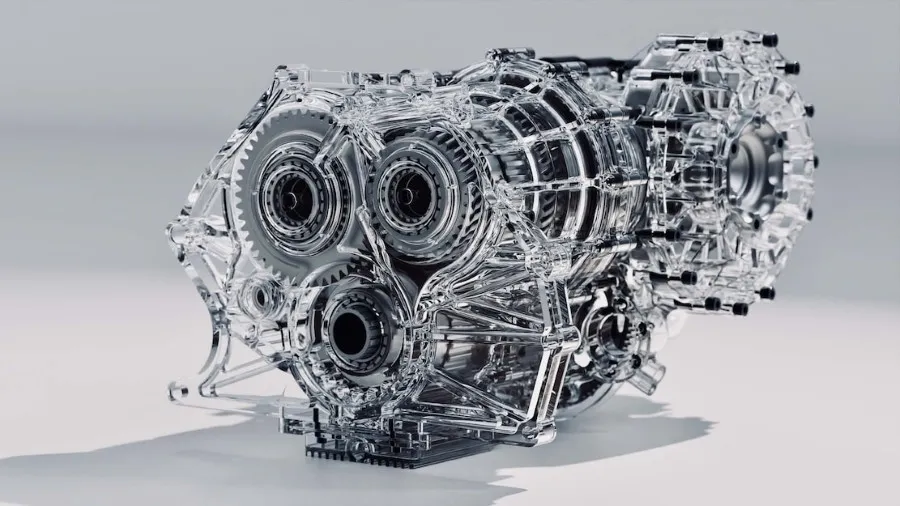
In reality, the operation is based on a logic of correspondence between the reports: when the driver passes the 1era manual speed, it actually uses 2th automatic transmission speed. This pattern is repeated with the following pairs: 2/4, 3/5, 4/6, 5/7, and 6/8. This operation makes it possible to benefit from the capabilities of the automatic transmission in manual mode, and to obtain an excellent reproduction of its driving.
Lightness, power, timeless design, advanced technology, advanced technology, manual and automatic transmission, here are a few reasons to consider the CC850 as the most versatile hypercar of the moment, a combination of technology for maximum sensations.
.jpg)
Let's talk about your car, our team is listening.