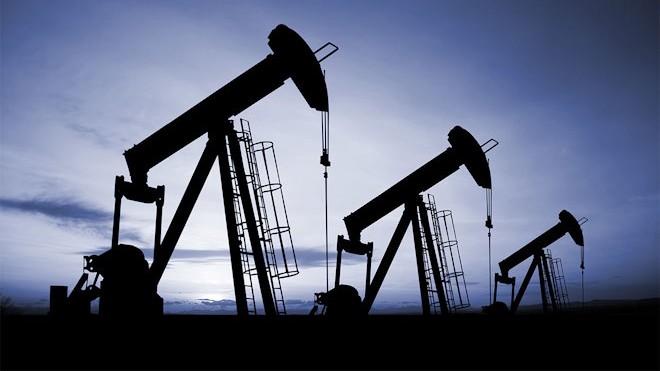
While lifestyle magazines analyze at length the link between our diet, sleep, sleep, hormones, joy and libido, the member of Carsup, on the other hand, prefers to study the link between his adrenaline, the octane number of the hormone he enjoys... and the price of fuel!
Disclaimer... no, not all “Carsupers” are fans of Smogs suburban areas without environmental awareness. I am sure that by looking carefully in the last decile, we would even find some ecological awareness.
But we are not remaking ourselves, and I will not let anyone here be clothed in the shroud of a good conscience. Neither you nor I are here by chance. Our common point is that we prefer the smell of gasoline to that of sage tea. And if I come to speak to you today, it is to allow you to have a much better perspective on the fuel market guilty of our desire: that of oil.
Our analyses for FamiliesUp aim a lot to redress the “influenced” image that our customers have of the markets. Many people, including in finance, now have a job that consists not in getting paid for the accuracy of their analyses or their market position... but in terms of the number of clicks and what advertisers will pay for the buzz that they generate. But in economics, reality always takes its revenge in the end. We are watching.
I am offering you a short trip over 50 years and five continents to better understand where we are after more than a month of war.
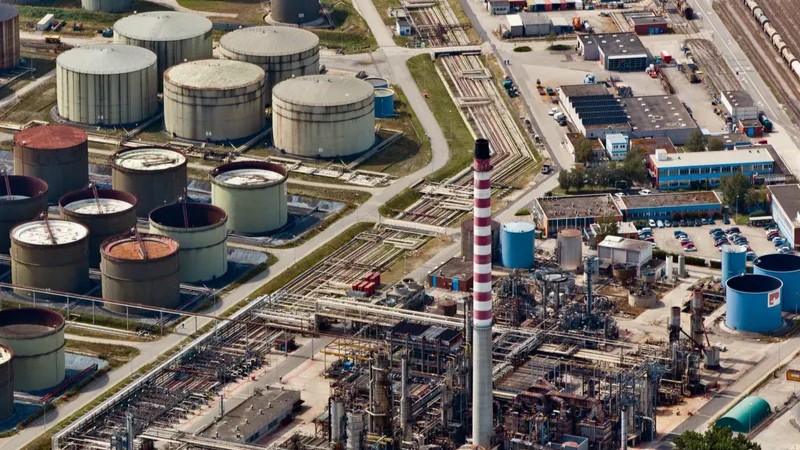
Looking in the rearview mirror over the past thirty years, the global black gold map has been completely redrawn. The Middle East was long believed to be unstoppable, but the real driver of supply growth is now in the West. Over the past two decades, North America has literally crushed the competition: U.S. production jumped by 162%, propelled by the shale technological revolution, while Canada grew by 95%.
Broadening the spectrum to Brazil, the new ultra-deep offshore giant, we see that the Americas as a whole are showing growth of 117%. It is no longer the Gulf that is filling up with the world, it is the Atlantic block.
Continuous news channels sometimes like to portray Vladimir Putin as the grandmaster of the oil chessboard. However, the numbers tell a completely different story: that of a rapid relative decline. Contrary to global intuition, Russia has failed to take advantage of the massive increase in global demand. In%, Russia and its vassals are at -38% of the export performance of the USSR. It is vertiginous and completely unknown.
Where Americans innovated and invested, Russia was content to manage an aging Soviet heritage. Its total production increased by only 3%. The real talent of Vladimir Putin is communication!
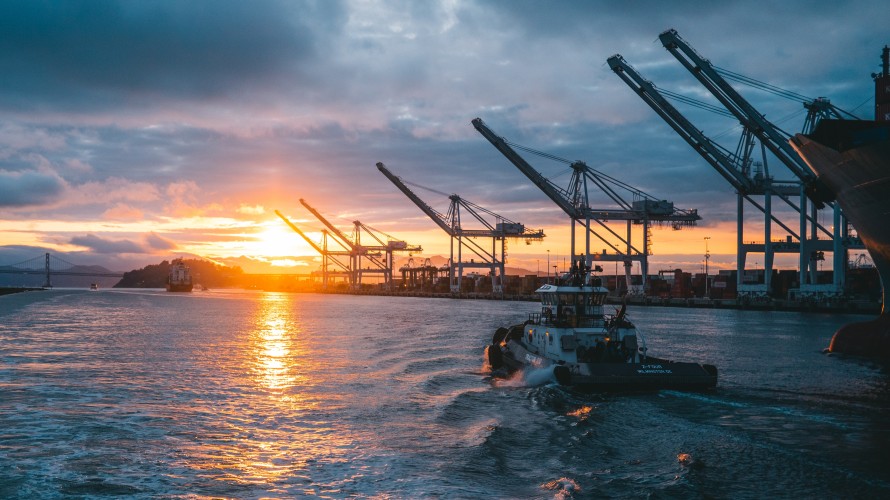
Regardless of politicians who love to exploit the price at the pump for their national narratives, oil is less and less a diplomatic tool and more and more a simple market commodity. Let's remember the facts: the historic peak of $147 in 2008 was nothing political. It was the result of a historically weak dollar and overheated Chinese demand. Conversely, the negative price during Covid (-$37) was not a destabilizing maneuver, but the simple physical reality of saturated stocks in the face of a world at a standstill.
Oil is losing its status as a supreme strategic asset every day; the fault of information technology, the fault of renewables and nuclear power. But what European is going to complain about it? Today, the real war of nerves and geopolitical manipulation is moving towards rare earths and critical metals. This is where the future potential for global blackmail lies, much more than in a barrel whose supply is now too diversified to be really taken hostage. The barycenter is no longer the middle of the Eurasian continent, but somewhere in the middle of the Atlantic:).
Today, we are sailing between 100 and 120 dollars. If we compared the 2008 peak to the current global GDP (increased from 64,000 to 115,000 billion dollars), the “equivalent” price would be 262 dollars. Starting with the price of a barrel in 1974 ($40), we would even be at $852. Of course, the comparison has its limits, but it makes it possible to put the current panic into perspective. As our partner points out Ludovic Subran (Chief Investment of Allianz), a crisis average of around 130 dollars is sustainable, but a surge to 200 dollars, if possible, would not be sustainable.
Why? Because the war economy is already there. In Asia, rationing has begun. Countries such as Pakistan, Sri Lanka or even some provinces in Vietnam and China have already put in place measures to limit consumption or strict capping. Nobody seems ready to subsidize a barrel of more than 150 dollars forever.
Second, China has been unwittingly placed in a position of diplomatic strength and the American administration is going to have to get out of the corner it has put itself in by itself. To see Beijing pull the trigger would be all too ironic. But what price could Tehran charge for that? Beijing is likely to have a good role in this conversation. The longer this goes on, the more difficult it will be for Americans to justify operational success. And there are the Midterms...
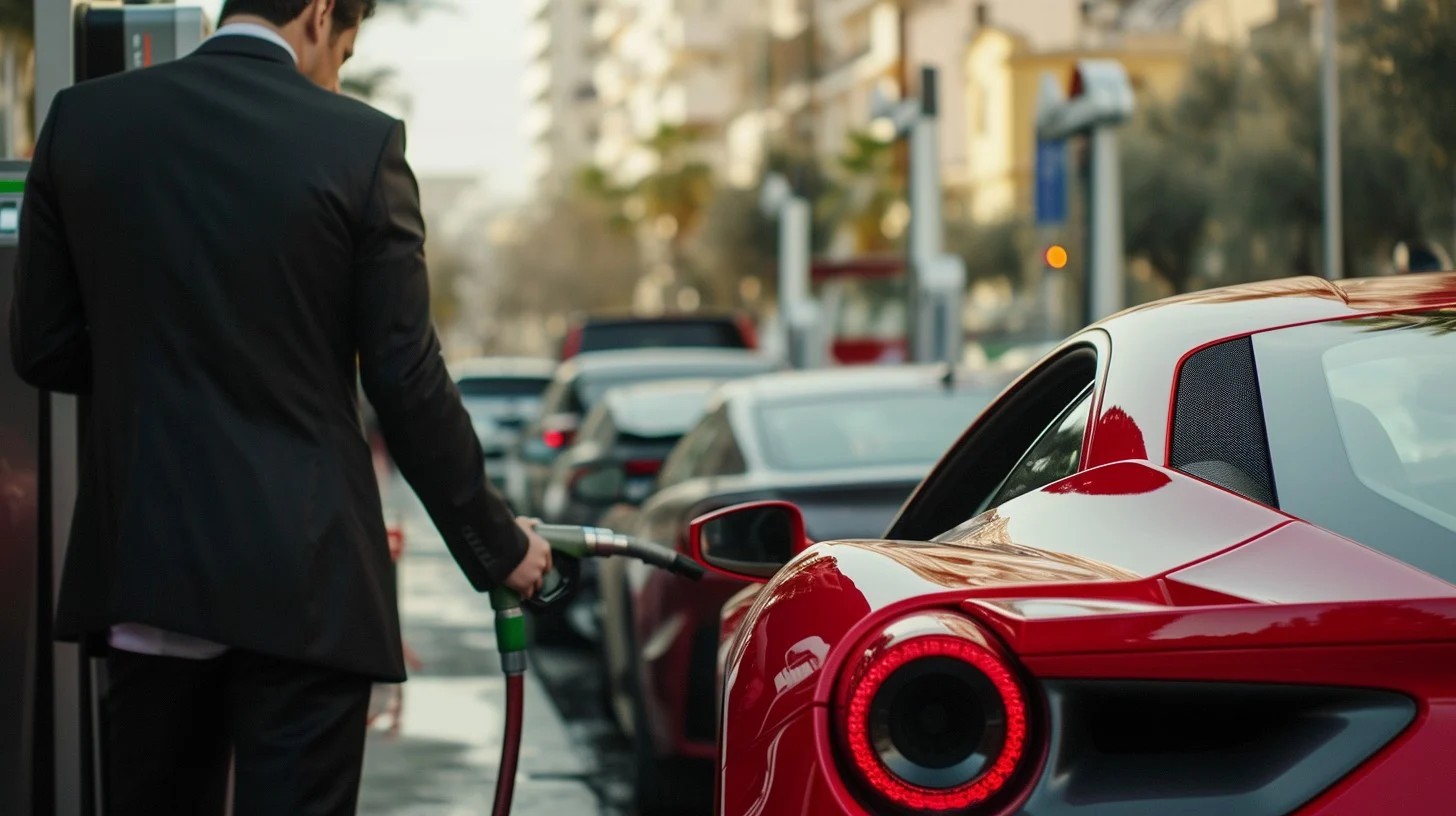
Ludovic Subran tells us that a return to $60 is likely, so around -50% compared to today, more or less the price last November. This return to normal should take place in several stages, as the strategic reserves of several countries will have to be replenished.
Our sense of guilt about the family budget will be able to go back to where it came from. Over the long term, oil is losing its influence and this new crisis should demonstrate this. Substitutes, starting with shale, are becoming more and more numerous. The demonstration has been made: the weight of oil in GDP has been drastically reduced since the 1970s. So you can keep a cool head and tell your spouse that you are paying infinitely less for fuel than in 1974! That should impress him on your negotiating skills!
.jpg)
Let's talk about your car, our team is listening.