Le coin des experts
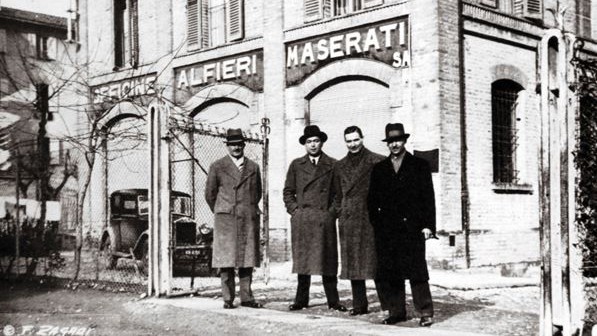
Does destiny exist? A vast, almost philosophical question that engineers and Maserati enthusiasts would unhesitatingly answer in the affirmative. Founded in 1914 in Bologna by the Maserati family, the brand went from a simple mechanical workshop working on Isotta-Fraschini to a real competition department in a few years. In 1926, the Type 26 was born, the first homemade creation and the first to feature the Trident inspired by the Neptune Fountain in Bologna.
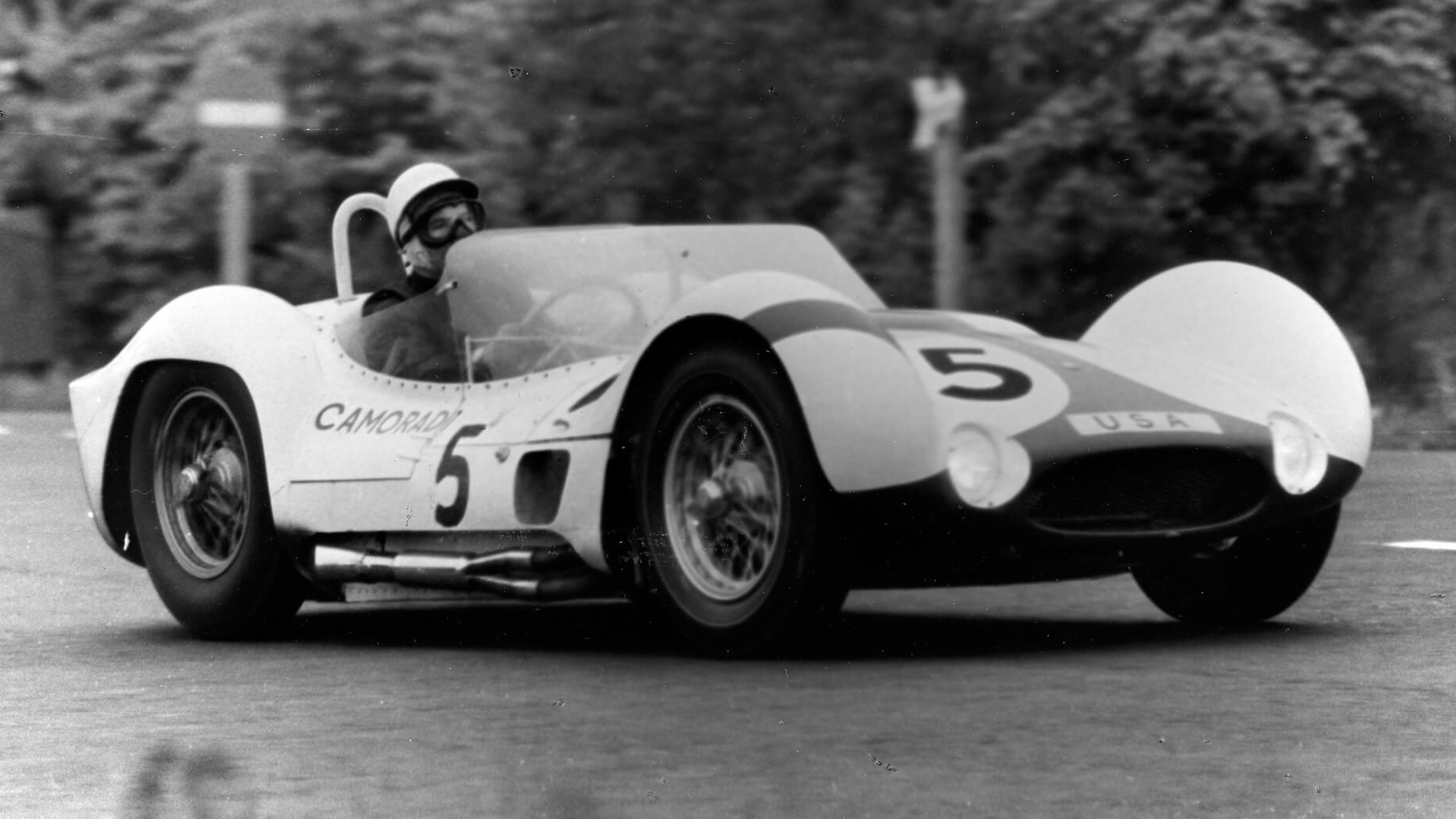
The following years saw Maserati win in competition. At that time, the brand only produced racing cars, continuing to succeed until the Second World War. After the conflict, the Orsi family bought the company and moved it to Modena. Maserati then turned to sports cars dedicated to the road, opening a new chapter. In 1957, a decisive turning point occurred with the closure of the competition department, marking the official end of factory involvement. The last class victory came all the same in 1960, when the private Camoradi team won the 1,000 km Nürburgring.
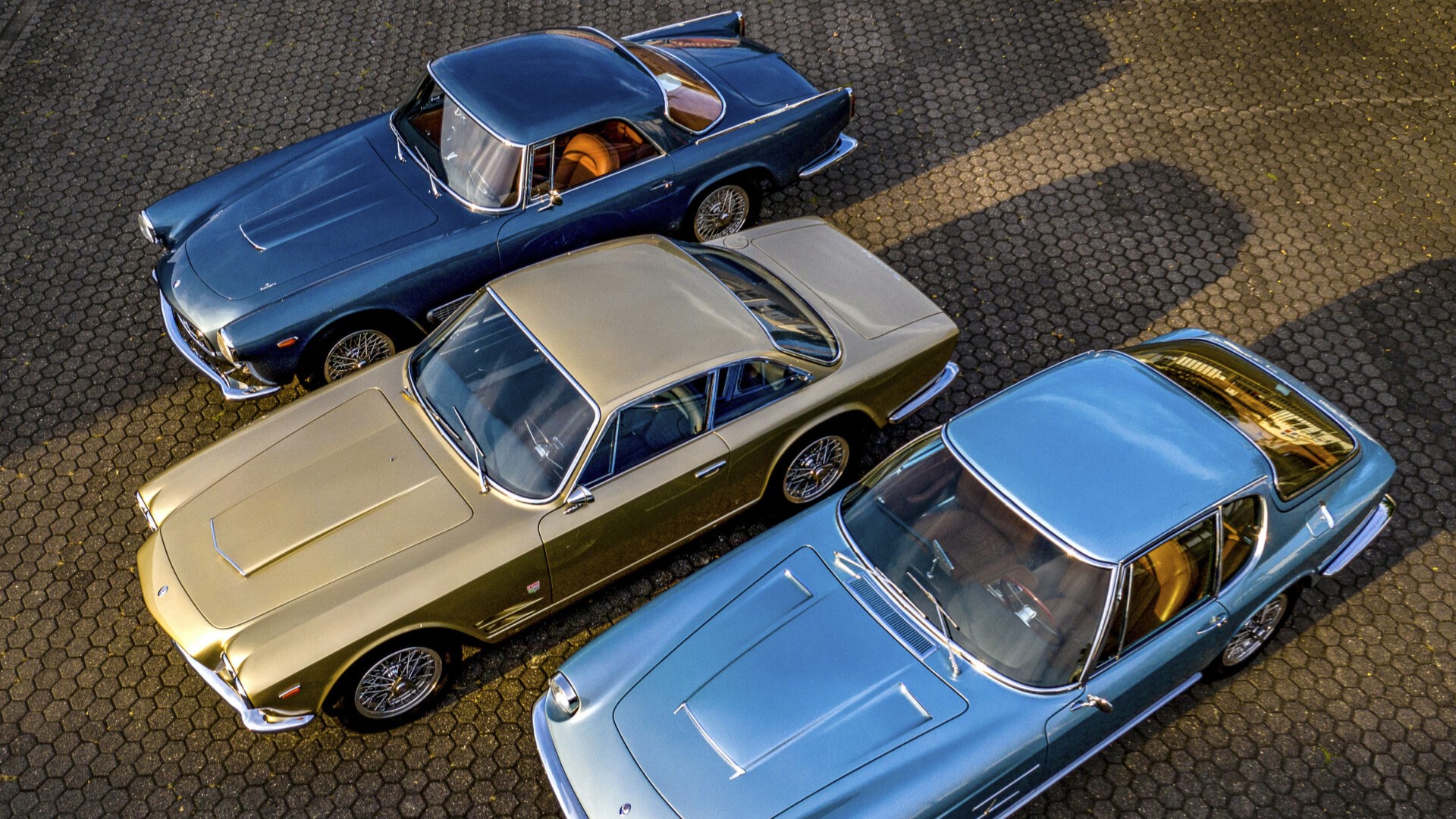
The following decades gave birth to the 3500 GT, Ghibli, Mistral or even Indy. All these models have forged the reputation of an elegant, refined brand that is inseparable from Italian grand tourism. But in the background, economic balances are wavering. After ten years of production, the Orsi family sold Maserati to Citroën, beginning a complex period.
In 1975, the energy crisis changed everything. Citroën, weakened, decided to put Maserati into liquidation. The workshops in Modena seem doomed, until the intervention of Alejandro de Tomaso. With the support of the Italian State via GEPI, he bought the brand in August 1975 and saved it from an almost inevitable disappearance. By restructuring the company and launching more accessible models, he is keeping the Trident out of the water and giving it a real trajectory.
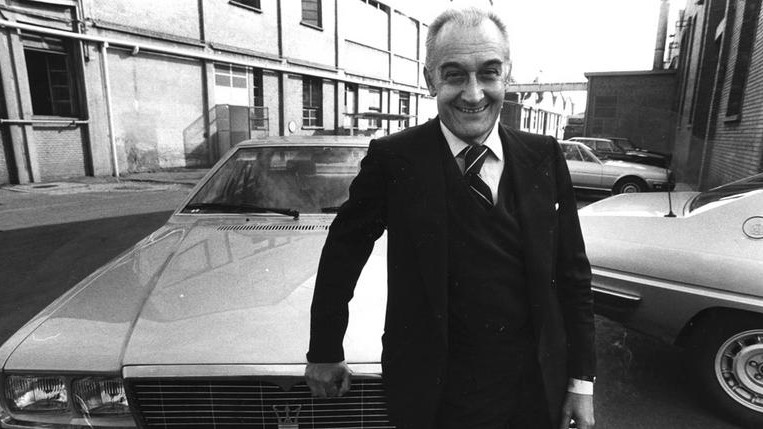
His efforts allow Maserati to survive, especially thanks to the Biturbo family. In 1993, the brand was bought by Fiat, then passed under the control of Ferrari in 1997. A key moment. Maserati, a former rival of Modena, is now part of the Ferrari Maserati group. Thanks to Luca di Montezemolo, the brand escaped a planned closure and regained a tangible future. The choice is bold, almost disconcerting, but driven by a conviction: Maserati must not simply return. She has to come back strong. Ferrari doesn't just want to produce “good cars” through the Trident. She wants to aim higher. Much higher up.

At the end of the 1990s, Maserati regained its momentum, but the brand still lacked something essential: a legitimate return to the highest level of competition. Under the aegis of the Ferrari Maserati Group, management then took an ambitious decision. Maserati must return to an international circuit, not to make a cameo, but to once again become a credible force against the GT giants. The FIA GT Championship became the target, with an unavoidable constraint: to enter a car in a race, it was necessary to produce an approved road version. The MC12 project is emerging. Not an engineer's whim, or a simple exercise in style. It's about building a first-class racing machine, and legitimizing it with a civilized version. This project marks the end of an absence of nearly forty years in GT.
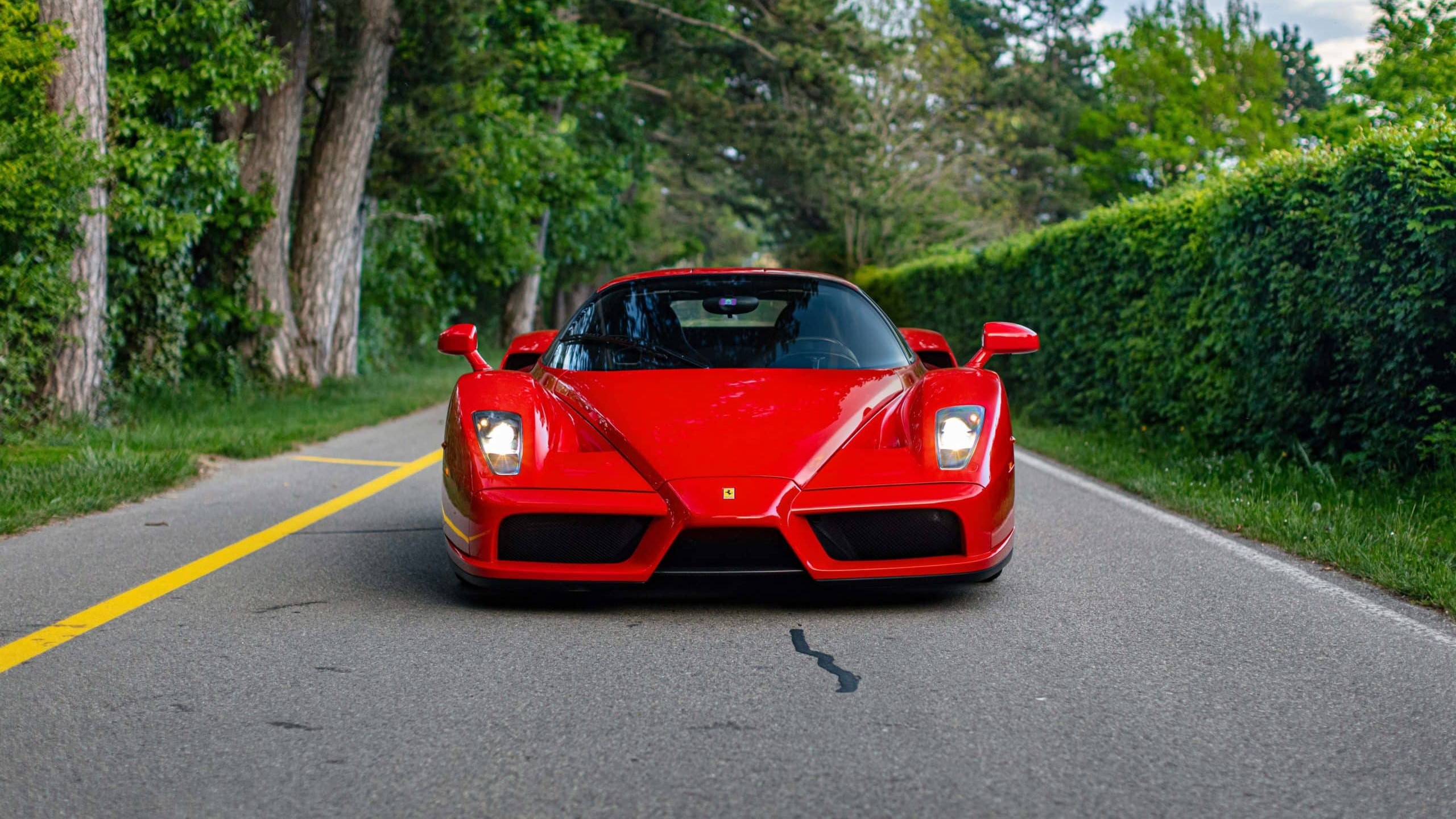
To save time and ensure a reliable base, the group decided to rely on an already proven base, and not the least: the Ferrari Enzo. Carbon monohull, six-liter atmospheric V12, Cambiocorsa robotic gearbox, suspension architecture. But the idea was never to create a rebodied Enzo. Maserati completely redesigns the dimensions, aerodynamics, structural rigidity, running gear and all the appendages intended for use in competition.
-min.jpg)
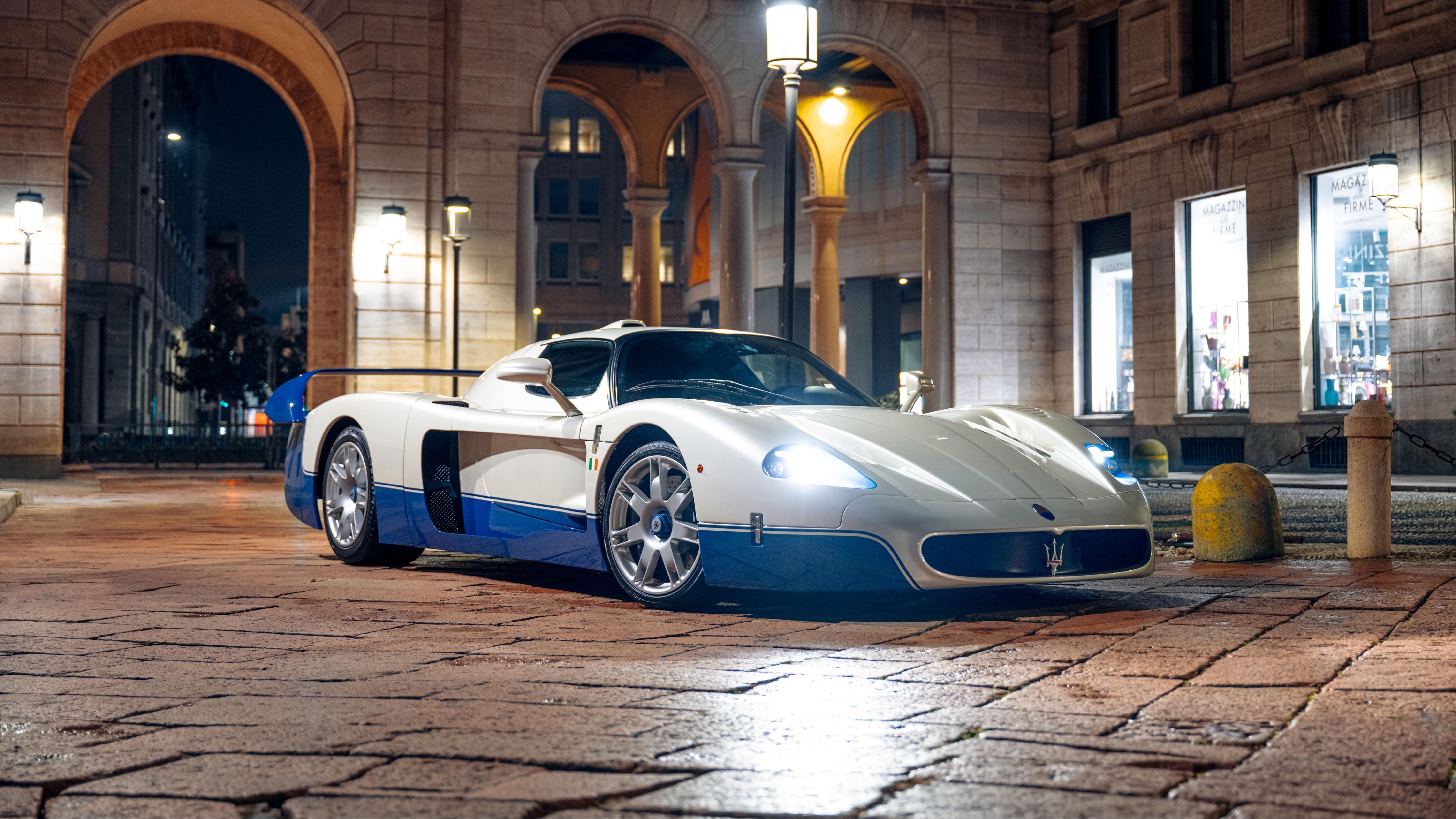
The MC12 is becoming a separate vehicle. A prototype disguised as a supercar, long, wide, sculpted by the wind rather than by the road. Internally, the project was initially called MCC, Maserati Corse Competizione, for the racing version, and MCS for the road version. The final name, MC12, then comes naturally. Technical control is entrusted to Giorgio Ascanelli, an experienced engineer who worked in Formula 1. It is up to him to transform a Ferrari platform into a GT capable of dominating its era. The design was first sketched by Giorgetto Giugiaro, then refined by Frank Stephenson, who was then responsible for the Ferrari Maserati concept design.

In the wind tunnel, the lines come to life. Extended nose, wide airways, massive rear spoiler, taut surfaces to maximize downforce. The MC12 focuses on pure efficiency. Maserati is not trying to rival the radical, muscular style of the Enzo. She's inventing something else. A silhouette that breaks with traditional supercars, and that fully assumes its vocation. To test the potential and make the mechanics more reliable, Maserati calls on seasoned drivers. Andrea Bertolini becomes the key man in development. Some sessions would also have seen Michael Schumacher filmed in Fiorano, further proof of the importance that Ferrari attaches to the project.
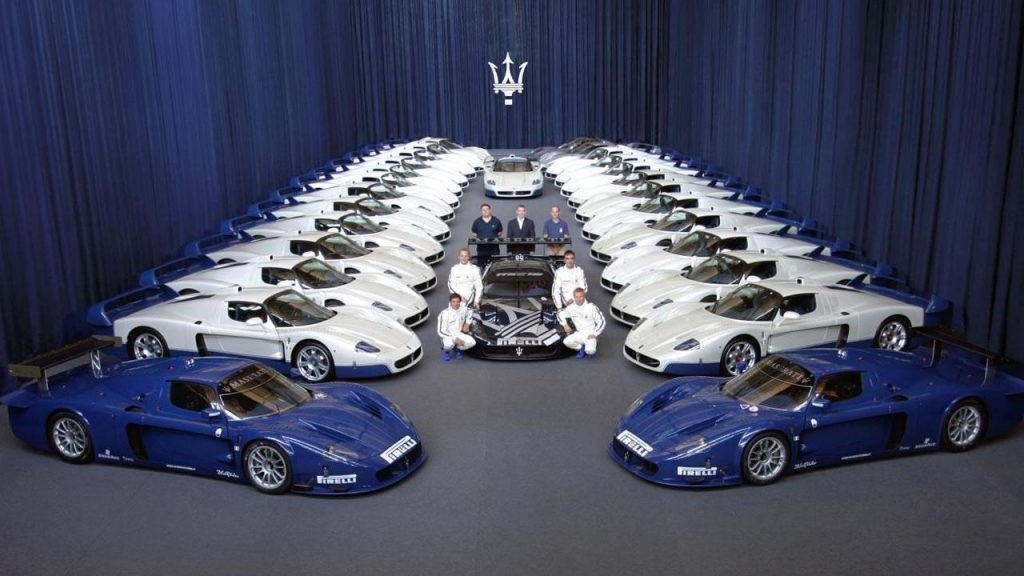
To get its sporting commitment, Maserati must produce a road series. Fifty copies were created between 2004 and 2005, delivered to a handful of hand-picked customers. This is not much, but sufficient to meet FIA GT requirements. The official presentation of the MC12 in 2004 marked the start of a new era. Maserati is not content with a symbolic return. She is back with one of the most radical cars of its time. His numerous successes in competition will only confirm the excellent work of the engineers. Even today, the MC12 remains one of the most legendary models in the automotive world. And if destiny really existed, it would have found in this supercar the perfect illustration: born of the daring choices of passionate men, of almost calculated chance and of an extraordinary vision, it knew how to weather crises and years to establish itself as a timeless legend.
.jpg)
Let's talk about your car, our team is listening.